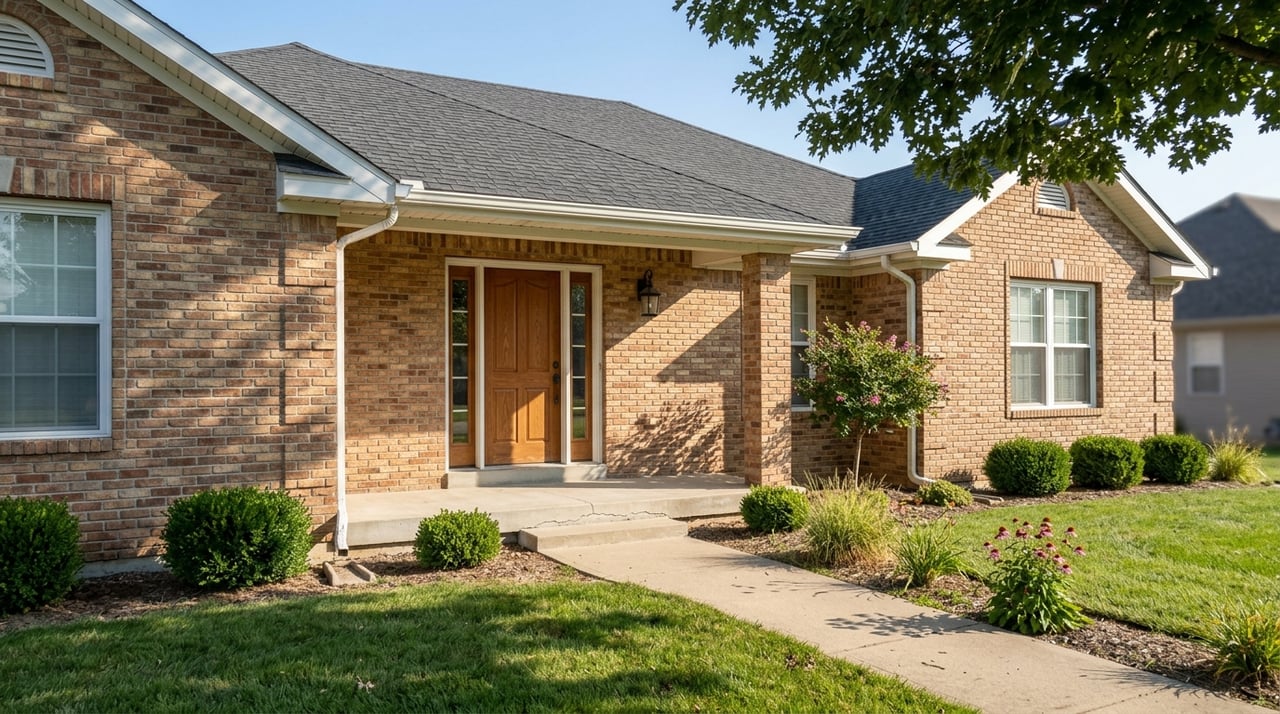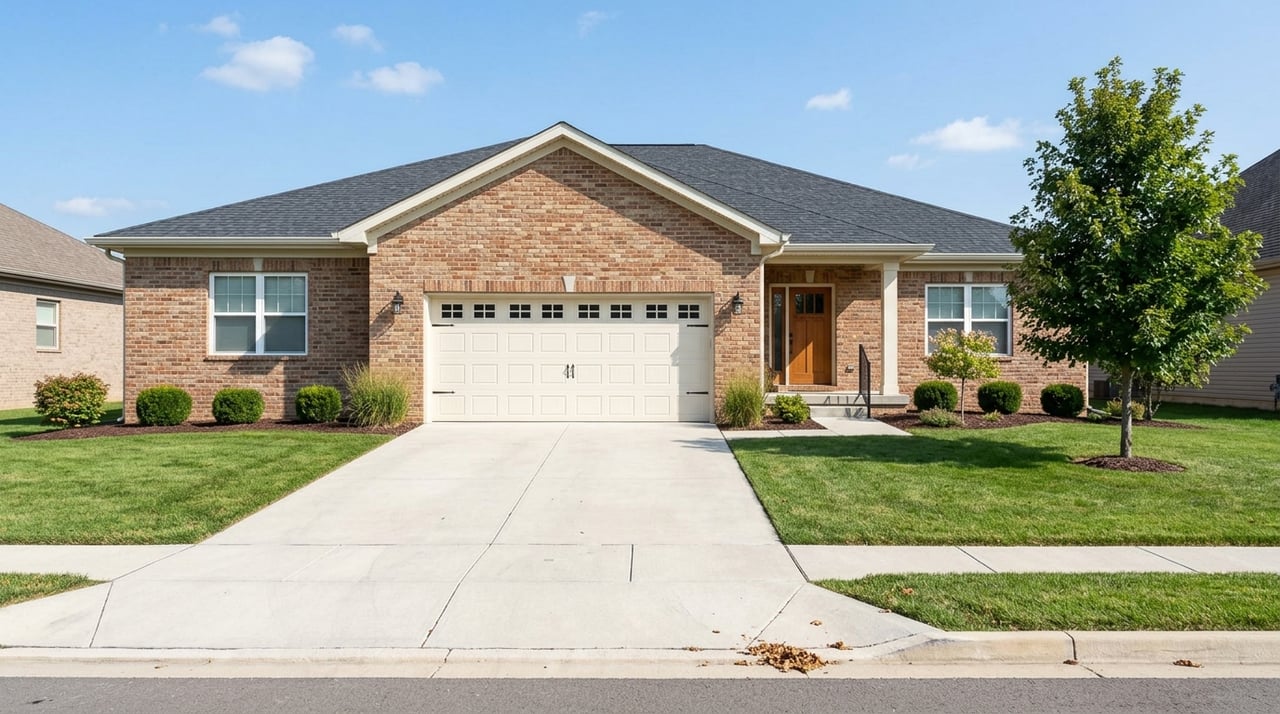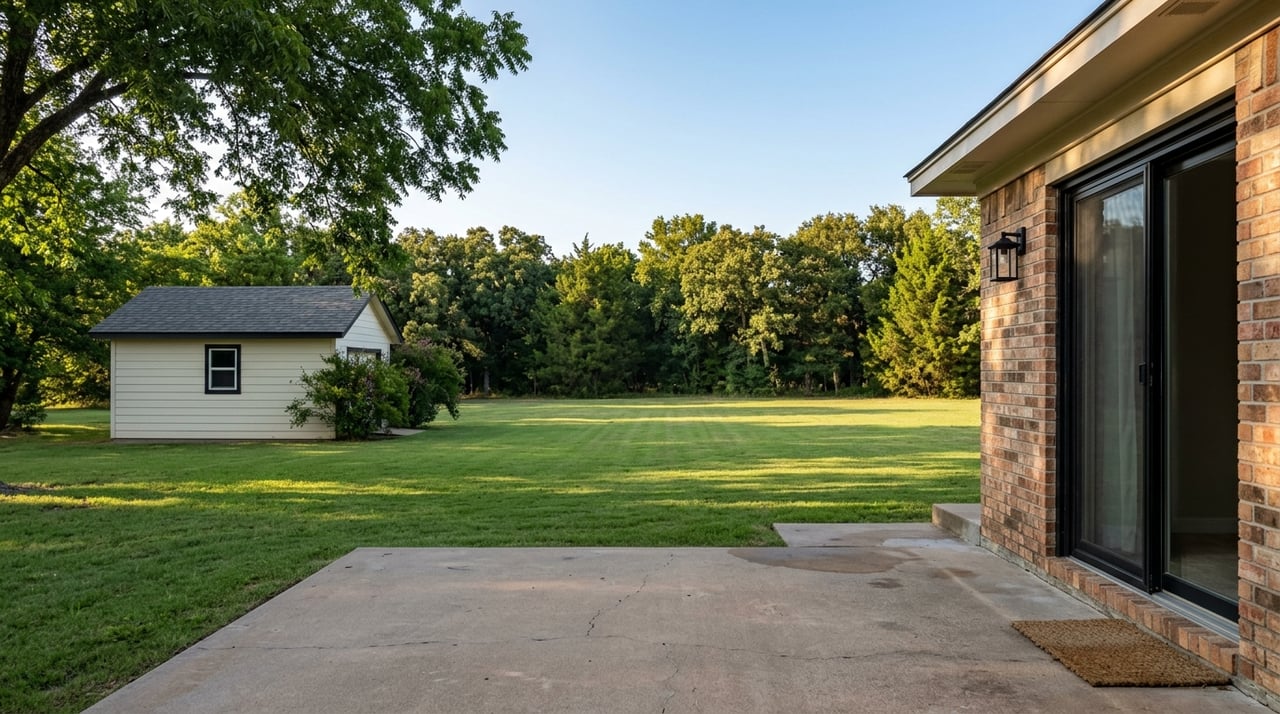
If you are trying to choose a real estate agent in Norman, you may already know one thing: buying or selling a home in town is not the same as dealing with acreage outside it. A neighborhood home and a rural tract can look close on a map, but they often involve very different pricing, research, and planning. The right agent should help you understand those differences, avoid costly surprises, and move forward with confidence. Let’s dive in.
Why Norman Needs Two Skill Sets
Norman sits in a unique spot where city living and rural property decisions often overlap. In Cleveland County, taxable real property records and ad valorem valuations are handled by the county assessor, and tax rates can vary by school district, city limit, and vo-tech district. On the city side, Norman’s planning framework includes zoning and the AIM Norman comprehensive plan, which covers land use, transportation, stormwater, water, wastewater, parks, and affordable housing.
That matters because one agent may be comfortable with subdivision homes but less prepared for acreage issues like access, utilities, and land use. If you are moving between a city home and a rural property, or comparing both, you need someone who can speak clearly about each property type. A well-rounded Norman agent should understand how city systems and county-level property details can affect your decision.
Why Headline Prices Are Not Enough
If you have checked online values lately, you may have noticed that Norman price numbers do not always match. Zillow reported an average home value of $264,711 as of April 30, 2026, Redfin reported a median sale price of $271,860 for April 2026, and Realtor.com reported a median listing price of $332,000 in March 2026. Those gaps are a reminder that market snapshots depend on the source and method used.
For you, the takeaway is simple: a strong agent should not rely on one big number. Instead, they should look at recent local comparables, property condition, location, land characteristics, and the details that make your property different from the one down the road. That kind of pricing approach is especially important when comparing in-town homes and acreage, because they do not follow the same valuation rules.
What Matters for City Homes
City home pricing is comp-driven
For a home in Norman, pricing usually starts with neighborhood-level comparables. The Cleveland County Assessor’s Office notes that appraisals estimate fair cash value for tax purposes, analyze sales by neighborhood and property type, and compare assessments to sales prices. That tells you how important nearby sales are when evaluating a city property.
A good Norman agent should know how to compare homes with similar size, age, condition, and location. They should also understand how nearby inventory and recent buyer activity can affect your pricing strategy. If you are selling, that helps you avoid overpricing or underpricing. If you are buying, it helps you make a more informed offer.
City home decisions also involve planning and infrastructure
In-town properties are not just about square footage and finishes. Norman’s planning framework covers zoning, transportation, stormwater, water infrastructure, wastewater, parks, and housing. That means a knowledgeable agent should be able to help you think through how a property fits into the broader city setting.
For buyers, this may shape how you evaluate future use and convenience. For sellers, it can help frame a more credible story about the property’s location and practical appeal. The goal is not hype. The goal is clarity.
What Matters for Acreage
Acreage comes with a longer checklist
When you shift from city homes to acreage, the due diligence becomes more detailed. Oklahoma State University Extension notes that rural property buyers need to pay close attention to easements, mineral rights, title work, and road access. These are not small items. They can affect how you use the land, what crosses it, and what rights may still belong to others.
For example, OSU Extension explains that powerlines, pipelines, roads, and other features may cross a property through easements. It also notes that mineral rights can affect drilling activity even if the surface owner objects. That is why acreage buyers and sellers benefit from an agent who understands what to ask early and how to coordinate with title and survey professionals.
Septic and water can shape the whole deal
On acreage, water and wastewater planning are often central to the transaction. OSU Extension states that land without access to municipal or city sewer service will need an on-site septic system that follows Oklahoma DEQ rules. The same guidance notes that a typical minimum lot size is 0.5 acres when public water is used and 0.75 acres when a private well is used, though actual sizing depends on soil, slope, the dwelling, and other site conditions.
OSU also advises at least 75 feet of separation between a well and a septic system, or 100 feet if the well is downslope. These are the kinds of details that can affect whether a property works for your plans. If you are buying acreage, you want an agent who knows these issues are not side notes. They are part of the core decision.
Why Pricing Differs Between Homes and Land
Homes and acreage are not valued the same way
A city home in Norman is usually priced using neighborhood comps and residential market activity. Acreage is more variable. According to the research, land value can depend on tract size, soil, recreational appeal, access, and distance to urban centers. OSU land-value research also notes that recreational uses and urban influences can materially affect agricultural land prices.
That means a two-acre homesite, a larger lifestyle property, and raw land outside town may each need a different pricing lens. One of the biggest mistakes you can make is assuming land should be priced like a house, or vice versa. A strong agent should be able to explain the difference in plain language.
Marketing should match the property type
A standard residential listing in Norman usually benefits from strong neighborhood positioning and a clear presentation of the home itself. Acreage often needs more land-specific marketing. That can include map clarity, road access, water and septic status, outbuildings, usable acreage, and possible uses such as recreation, hobby farming, or future building.
This is where broad experience matters. If your agent understands both suburban homes and land, they can create a pricing and marketing strategy that fits the property instead of forcing every listing into the same template. That is better for buyers, sellers, and the credibility of the listing.
Questions To Ask Before You Hire
Choosing the right Norman agent is not just about personality. It is also about whether they can guide you through the kind of property you actually want to buy or sell. A practical interview should help you measure that.
Here are smart questions to ask:
- How many Norman home sales and acreage deals have you closed?
- How do you price raw land versus improved acreage?
- What do you check on septic, wells, easements, and mineral rights?
- How do you coordinate with the county assessor, DEQ, title company, and surveyor?
- How do you market a home in town differently from acreage outside town?
You do not need an agent to know everything instantly. You do need one who knows what matters, how to investigate it, and how to explain the process clearly.
Why One Advisor Can Make Life Easier
If you are selling a home in Norman and planning to buy acreage next, or doing the reverse later on, working with one advisor who understands both markets can simplify the process. Pricing, timing, and contingency planning are easier to manage when your agent can see the full picture. That can help you make better decisions without juggling separate strategies that do not align.
This is especially helpful in a market where city homes, rural tracts, and lifestyle acreage do not use the same comp set or due-diligence checklist. A local brokerage with experience in both property types can help you connect the dots from start to finish. You get steadier guidance, clearer communication, and a process that feels more manageable.
Whether you are comparing neighborhoods in Norman, exploring land outside town, or planning a move that includes both, local knowledge matters. If you want practical guidance from a team that understands suburban homes, raw land, acreage, and farm and ranch property across southern Cleveland County, reach out to Than Maynard to start the conversation.
FAQs
What should you look for in a Norman real estate agent for city homes?
- Look for an agent who understands neighborhood comparables, local pricing trends, zoning context, and how Norman’s planning and infrastructure can affect a property.
What should you ask a Norman real estate agent about acreage?
- Ask how they review easements, mineral rights, title work, road access, septic needs, wells, and other land-specific issues before you move forward.
Why are Norman home prices different across online sites?
- Different platforms use different methods, so headline numbers can vary. A local agent should rely on recent comparable sales and property-specific details instead of one market snapshot.
Why does acreage need a different pricing strategy in Norman?
- Acreage value can depend on tract size, soil, access, recreational appeal, and distance to urban areas, which makes land pricing more variable than typical neighborhood home pricing.
Can one Norman agent help you buy acreage after selling a city home?
- Yes, if the agent has experience with both property types, they can help align pricing, timing, search strategy, and due diligence across the full move.