Wondering what day-to-day life in Norman really feels like? If you’re weighing a move, you probably care about the drive to work, where you’ll spend weekends, and what kinds of homes fit your budget and style. Norman is a true college city with small-city convenience, steady amenities, and a range of neighborhoods. In this guide, you’ll learn how commutes work, where residents play, and the types of homes you’ll find across town. Let’s dive in.
Commutes and getting around
Driving basics
If you work off campus, you’ll likely drive. I‑35 is the main north–south route through Norman, with US‑77 and major arterials tying neighborhoods to commercial areas. Traffic is moderate most days, but it can spike during rush hours and on major event days when the University of Oklahoma hosts games or large gatherings. Route choices are somewhat limited, so a single incident on I‑35 can slow things across the corridor.
Commuting to Oklahoma City
Many Norman residents work in the broader Oklahoma City metro. Most commuters take I‑35 north toward OKC or choose US‑77 depending on the start and end points. Typical drive times are reasonable for a suburban and college city, though they vary by time of day and weather. If you plan to commute, test your route during the hours you expect to travel so you get a realistic read on timing.
Transit, biking, and walking
Cleveland Area Rapid Transit (CART) is the local bus system in Norman. Routes connect the OU campus and key commercial corridors rather than forming a full metro network. If transit access is important to you, focus on homes near established CART routes and the university area. Walking and biking work well near campus and downtown, and you’ll find multiuse trails throughout the city for recreation. Bike commuting is most practical close to the core rather than across town.
Practical tips for movers
- Visit on both event and non‑event days to compare traffic and parking.
- Map more than one route in case of delays on I‑35.
- If you rely on transit, confirm nearby CART stops and frequency before you buy.
- Ask about driveway capacity, street parking rules, and HOA guidelines where relevant.
Major job hubs and local economy
University of Oklahoma
The University of Oklahoma is Norman’s largest employer and a cultural anchor for the city. Jobs range from academics and research to athletics and large event operations. The university’s presence shapes local retail, services, dining, and short‑term housing demand, especially during the academic year and football season.
Healthcare, education, and public sector
Healthcare is a major part of the local economy, with hospital and clinic roles serving residents across the region. K‑12 public schools are also significant employers, supported by private schools and childcare services. City and county offices contribute steady public‑sector jobs, and small to mid‑sized businesses round out the landscape with professional services, construction, and retail.
Remote and hybrid work
Remote and hybrid setups have become more common. That shift spreads traffic across the day and can ease peak congestion windows. If you work from home, you’ll find plenty of neighborhoods that balance quiet streets with quick access to parks, shopping, and campus amenities.
Parks, trails, and weekend fun
City parks and everyday recreation
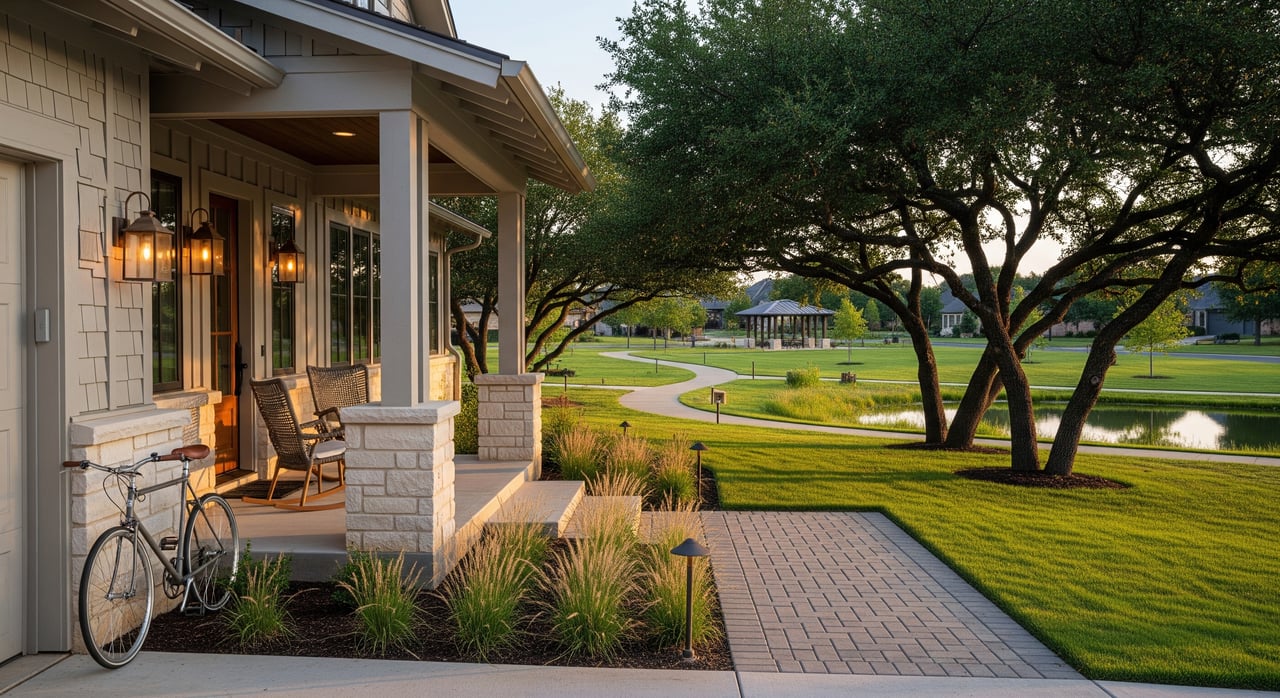
Norman’s parks system includes neighborhood parks, community parks, sports complexes, dog parks, and multiuse trails. You’ll find playgrounds, athletic fields, picnic shelters, and seasonal pools that make it easy to get outside close to home. Established neighborhoods near downtown and OU often provide quick access to pocket parks and walkable green space.
Lake Thunderbird close to home
Lake Thunderbird State Park sits southeast of Norman and is a go‑to for boating, fishing, camping, and water activities. For many residents, the ability to reach the lake quickly is a key quality‑of‑life perk. If you love weekend time on the water or want easy camping access for family and friends, consider neighborhoods on the eastern side of town for shorter drives.
Arts, sports, and community life
OU adds a year‑round calendar of museums, performing arts, lectures, and collegiate sports. Downtown Norman offers a walkable mix of restaurants, shops, festivals, and a seasonal farmers market. During big games and events, expect livelier streets, fuller restaurants, and more visitors. Many locals enjoy the energy, while others prefer to live a bit farther from the action.
Home styles across Norman
Near OU and downtown
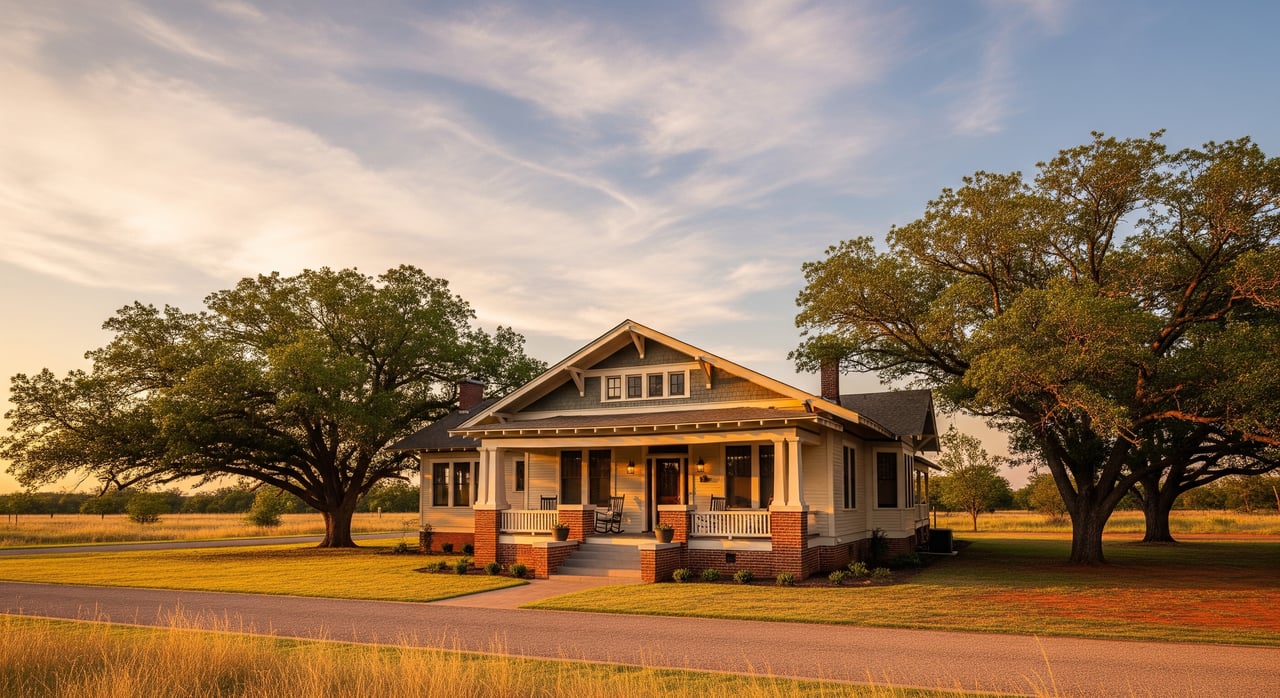
Older, established neighborhoods close to campus and downtown tend to feature historic bungalows, brick ranches, and mid‑century homes on smaller lots. You’ll see mature trees, classic streetscapes, and a mix of single‑family homes and duplexes. These areas are popular with people who value character and quick access to campus and downtown amenities.
Classic subdivisions from the mid‑century boom
Move a bit farther from the core and you’ll find many single‑family subdivisions built from the 1970s through the 1990s. These neighborhoods often include ranch or traditional styles on moderate lots, with attached garages and family‑friendly layouts. They appeal to buyers looking for space, predictability, and a quieter feel while staying within a short drive of daily needs.
Newer developments and amenities
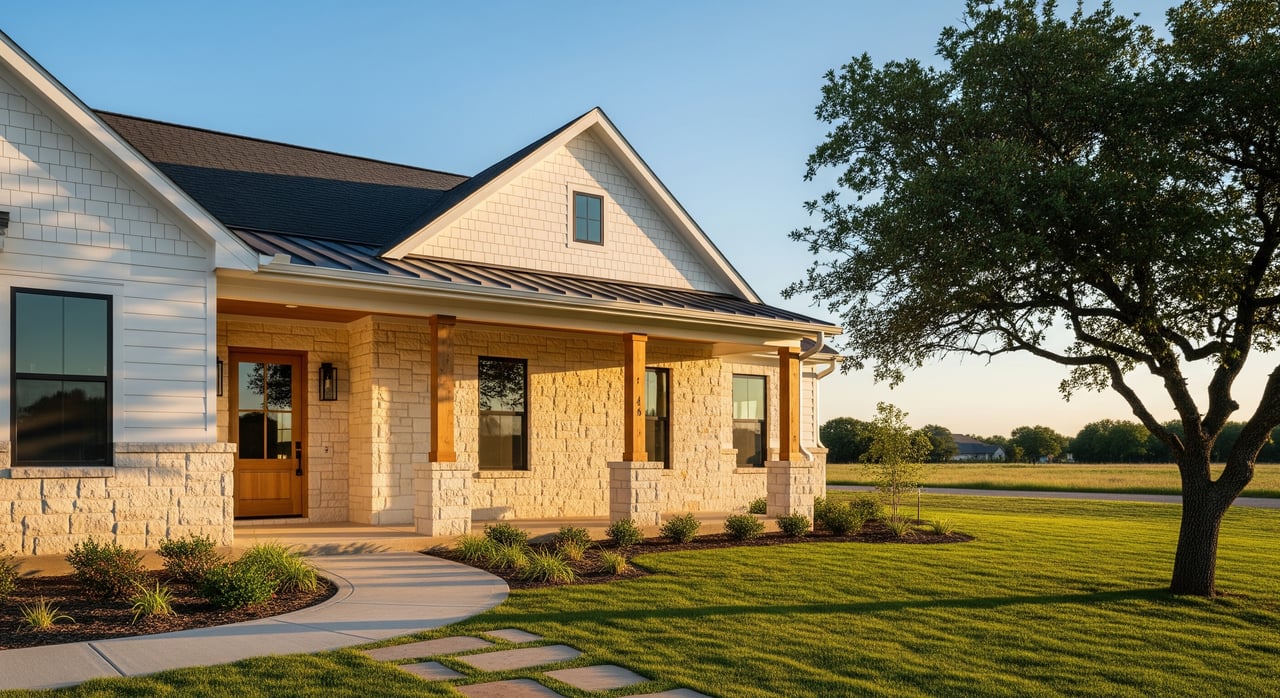
Recent growth has been strong in west and southwest Norman. Newer subdivisions offer contemporary floor plans, energy‑efficient features, and community amenities. Some areas include HOA‑maintained common spaces, playgrounds, or gated entries. If you want move‑in‑ready features and a consistent streetscape, these communities are worth a look.
Multifamily and student‑focused housing
Apartments, townhomes, and purpose‑built student housing cluster near OU and along major corridors. Rental demand and turnover are higher in these zones due to the academic calendar. If you prefer a residential area with more stable occupancy, consider locations farther from campus, and review zoning and nearby property types as part of your search.
What to know before you buy
Schools and attendance zones
Norman Public Schools serves most of the city, with multiple elementary, middle, and high schools. School assignments can vary by address and may change over time. If schools are a deciding factor, check attendance zones and state report cards directly with the district. Use neutral, verified sources so you can make an informed choice based on your priorities.
Taxes, utilities, and HOA details
Property taxes in Oklahoma are generally lower than in many other states, but rates vary by county, city, and school district. Utility providers differ by neighborhood and subdivision. Some newer communities include HOA fees that cover amenities or certain services. Ask for recent utility averages, HOA budgets, and what is included before you write an offer.
Flood risk, soil, and inspections
Flood risk is property specific. Review FEMA flood maps and city planning records to understand drainage and any floodplain concerns near a home. In older neighborhoods, pay attention to soil conditions, mature trees, and foundation history. A thorough inspection and due diligence period will help you budget for any updates.
Event‑driven realities
Large campus events increase traffic, parking demand, and restaurant lines. Some buyers love being close to the action, while others prefer a buffer. Decide whether event days will be a perk or a drawback for your household and choose your location accordingly.
Match your lifestyle to a neighborhood
- If you want walkability and culture: Look near downtown and the OU campus. You’ll trade larger yards for quick access to cafes, galleries, and game days.
- If you want a quiet, suburban feel: Explore mid‑century and 1970s–1990s subdivisions with established trees and classic floor plans.
- If you want new construction and amenities: Check southwest and west Norman for newer homes, energy‑efficient builds, and community spaces.
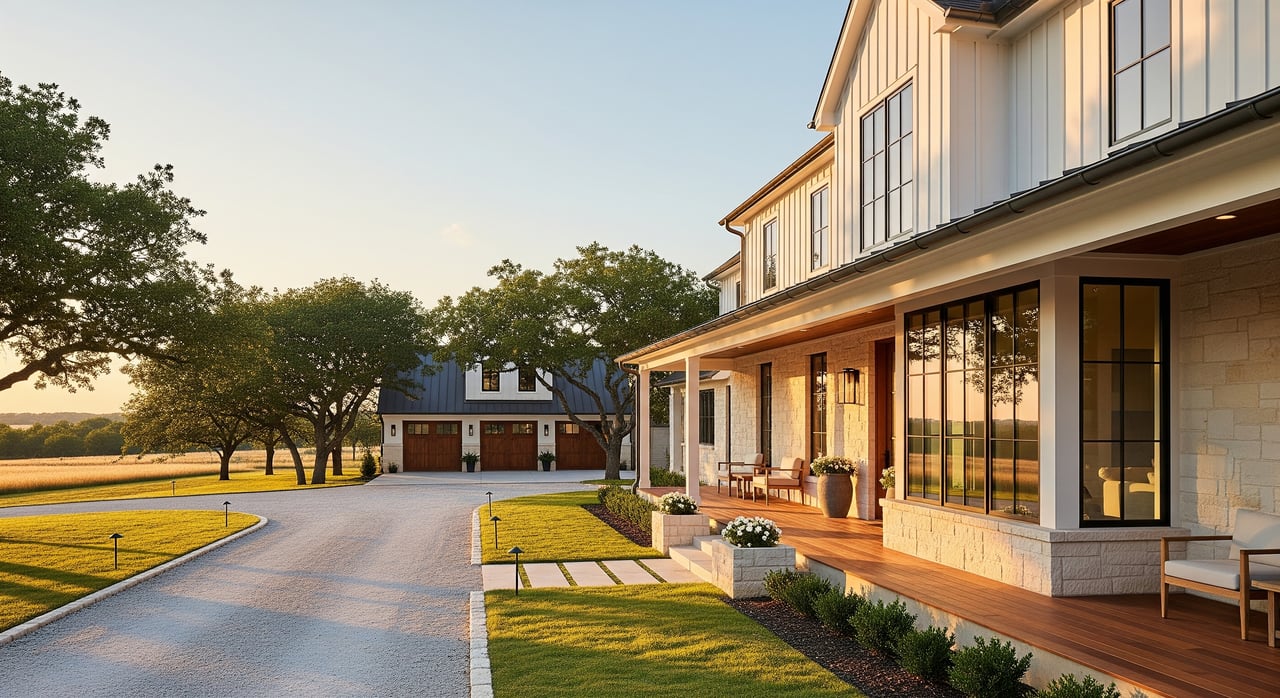
- If you want more space: Consider the edges of Norman for larger lots. If acreage is the goal, nearby communities in southern Cleveland and McClain counties offer options with room for hobbies and privacy.
Everyday errands and travel
Groceries, pharmacies, and big‑box shopping are spread across the city along major corridors, so most neighborhoods keep you within a short drive of essentials. For air travel, Will Rogers World Airport in Oklahoma City is the primary choice. The drive typically takes under an hour, depending on where you live in Norman and current traffic.
How to shop smart in Norman
- Define your commute priority. Test your morning and evening routes to work or school before you focus your search.
- Map your lifestyle. List the parks, trails, and cultural spots you want close by, then filter neighborhoods accordingly.
- Plan for the home’s age. Older homes may need updates, while newer homes offer modern systems and layouts. Budget and timeline matter.
- Understand local cycles. In student‑heavy areas, rental turnover follows the academic year. If you prefer stability, target residential pockets outside the campus core.
Ready to explore neighborhoods, compare commute options, and find the right fit for your day‑to‑day? Connect with a local advisor who understands Norman and the surrounding communities. Reach out to Than Maynard for grounded, community‑first guidance.
FAQs
How does commuting from Norman to Oklahoma City usually work?
- Most commuters take I‑35 north or US‑77 based on origin and destination. Travel times vary by rush hour, weather, and special events.
Is public transit a realistic option in Norman?
- Cleveland Area Rapid Transit serves Norman with routes focused on the OU campus and main corridors; it helps most near the core but is not a full metro network.
Where do residents go for outdoor recreation in Norman?
- City parks provide trails, playgrounds, sports fields, and dog parks, while Lake Thunderbird State Park offers boating, fishing, camping, and water activities.
What home styles will I find near the OU campus?
- Expect historic bungalows, brick ranches, mid‑century homes, and some duplexes or small multifamily properties on smaller lots with mature trees.
Are newer homes available with community amenities?
- Yes. West and southwest Norman feature newer subdivisions with modern floor plans and, in some cases, HOA‑maintained common areas and playgrounds.