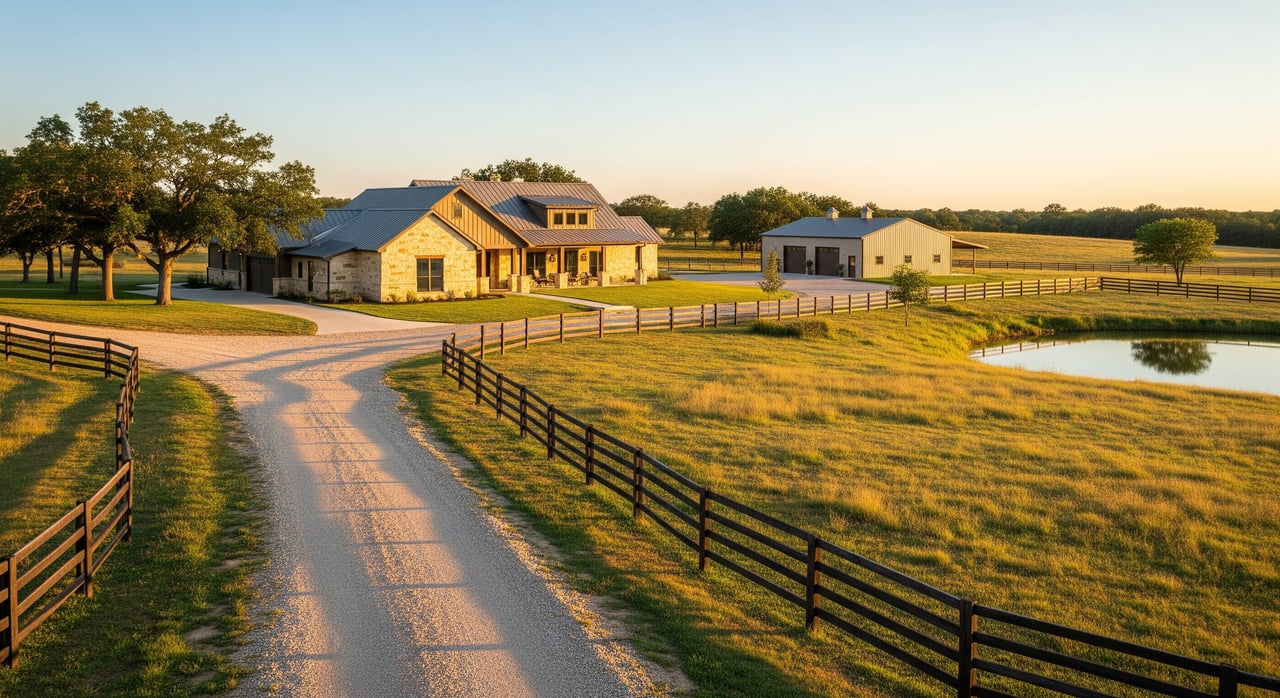
Thinking about buying a home with a few acres around Lexington but not sure how to pay for it? You are not alone. Acreage can open up space for privacy, hobbies, and future plans, yet financing it can feel confusing. In this guide, you will learn how USDA, conventional, FHA, and VA loans work for rural properties, what lenders look for on land in Cleveland County, and a practical step-by-step plan to move forward with confidence. Let’s dive in.
USDA loans in Lexington
If you want to live on acreage near Lexington, a USDA Rural Development loan is often the first program to explore. For eligible buyers and eligible properties, USDA can offer 100% financing with competitive rates. The home must be your primary residence, the property must be in a USDA-eligible rural area, and your household income must be within county limits. The property also has to meet condition standards, which may require repairs if the home needs work.
Acreage can be eligible under USDA if the land and its use are typical for the local market. Very large tracts used mainly for commercial farming can create problems. Lenders will look at how the property is used and whether it is primarily residential. If it looks like a commercial ranching operation, you may need a different type of loan.
Use this simple approach to check if USDA fits your situation:
- Confirm the address is in a USDA-eligible area using the property eligibility tool.
- Review Cleveland County income limits for your household size.
- Speak with a USDA-approved lender early to confirm program fit and property standards.
Conventional loans for acreage
Conventional mortgages, including Fannie Mae and Freddie Mac options, are flexible and widely available. For typical suburban homes, down payments can be as low as 3 to 5 percent, but for acreage and nonstandard lots, many lenders prefer 10 to 20 percent or more. Strong credit helps with pricing and approval.
The appraisal is key. Appraisers must show the property is marketable and that the lot size and land use are typical for the area. With acreage, lenders often focus on usable acres, improvements, fencing, and access rather than total acreage. Some lenders set internal acreage limits, while others review these homes case by case.
Local portfolio lenders, such as community banks and credit unions, may offer in-house programs when a property does not fit strict conforming guidelines. These can help when the lot is larger than usual, when outbuildings are significant, or when comparable sales are limited.
FHA and VA loans on rural properties
FHA loans can work well if you need a lower down payment and more flexible credit guidelines. FHA typically requires about 3.5 percent down for qualified borrowers. The catch with acreage is that FHA expects the lot size to be typical for the neighborhood and marketable. Properties used for farming or with unusual lot configurations may not meet FHA standards.
VA loans are a great benefit for eligible veterans and active-duty service members. VA can allow 0 percent down, competitive rates, and no monthly PMI. The home must be your primary residence, and a VA appraiser will review the lot size, land use, and access. Large parcels used mainly for commercial agriculture or with complicated easements can slow approval.
Ag, land, and construction options
If your goal is to run a farm or buy land primarily for agricultural production, consider specialized agricultural lenders. The USDA Farm Service Agency and Farm Credit associations offer loan programs that evaluate farming experience and projected farm income. These programs differ from USDA Rural Development housing loans and are built for agricultural use.
For vacant land or parcels without a livable home, you may need a land or lot loan. These usually require larger down payments and shorter terms. If you plan to build, a construction-to-permanent loan can fund the build and then convert to a standard mortgage. If a home is present but needs major work, a renovation or construction loan may be the better path.
Seller-carried financing is sometimes used when traditional lending is not a fit. Terms can be flexible, but both sides should use proper legal documentation and understand the risks.
What lenders check in Cleveland County
When you finance acreage near Lexington, lenders and appraisers look closely at factors that are less prominent in typical suburban deals. Address these early to keep your loan on track.
Property use and zoning
Lenders separate residential use from commercial or agricultural use. A home with a few acres for personal use is usually evaluated as residential. A large-scale cattle or crop operation can be treated as agricultural and require specialty lending. Confirm zoning and permitted uses with the Town of Lexington or Cleveland County planning and zoning.
Access and right-of-way
You need legal access to the property. Lenders want recorded easements for private drives and shared roads. Unclear access or access by informal agreement can delay appraisal and underwriting.
Utilities, septic, and wells
If the property uses a well and septic, be ready to show permits and system adequacy. Lenders may require inspections or water testing. In new builds, you may need percolation tests and well logs from the local health department. Electricity, broadband availability, and fire or emergency service access can influence value and eligibility.
Appraisal and comparable sales
Finding comparable sales for acreage can be tough. Appraisers weigh usable acres, outbuildings, fencing, and frontage more than raw acreage. Be prepared for extra review if sales data is thin in your target area.
Environmental, floodplain, and soils
If a property sits in a special flood hazard area, you will need flood insurance based on FEMA flood maps. Environmental concerns, like abandoned tanks or past contamination, can trigger extra reports. Soil types and drainage matter for buildability and septic performance.
Title, mineral rights, and easements
In Oklahoma, mineral rights are often severed from surface rights. Existing oil and gas leases, pipeline easements, and rights-of-way should be reviewed early. Lenders need clear surface title and will flag anything that affects use, access, or value.
Property taxes and agricultural valuation
Oklahoma allows agricultural valuation for property used in bona fide farming, which can lower taxes. Eligibility usually requires an application and proof of use. Check requirements and deadlines with the Cleveland County Assessor. Tax amounts and assessments feed into your affordability and debt-to-income ratio.
Insurance considerations
You will need standard homeowners insurance, plus wind or hail coverage if needed. If you keep livestock, operate a business, or have large outbuildings, ask your insurer about additional liability or special endorsements. Verify insurability before you waive contingencies.
A clear step-by-step plan
Before you shop
- Choose likely loan paths: USDA, conventional, FHA or VA, land or construction.
- Check USDA area eligibility and county income limits if you want 100 percent financing.
- Get pre-approved with a lender that understands acreage and rural properties. Ask about their experience with wells, septic, and mineral rights.
- Talk with a local real estate professional who handles land and acreage to align your search with the right financing.
During offer and contingency
- Use contingencies for financing, appraisal, inspections, and title, including minerals and easements.
- Order a survey early if acreage, boundaries, or access points matter to your plans.
- If you plan to build or renovate, line up bids and be ready to share plans with your lender.
- Confirm septic and well status with the local health department.
Appraisal, underwriting, and closing
- Share known comparable sales or property improvements with the appraiser when allowed.
- Provide copies of recorded leases, easements, or right-of-way agreements for underwriting.
- Get insurance quotes, including flood if maps require it.
- Verify property tax status and ask the Assessor about any agricultural valuation on the parcel.
After closing
- If you intend to apply for agricultural valuation, follow the Assessor’s process and deadlines.
- Keep copies of surveys, permits, and septic or well paperwork handy for future use.
Common roadblocks and how to handle them
- Appraisal gaps due to few comps: Focus your search on properties with recent acreage sales nearby, and prepare for extra underwriting review.
- Unclear access or shared drives: Get recorded easements and maintenance agreements before you waive contingencies.
- Well and septic questions: Order inspections early and budget time for remediation if needed.
- Mineral rights and leases: Ask title to pull all documents early and share with your lender for review.
- Floodplain surprises: Check maps before you offer and price in required flood insurance.
Down payment expectations at a glance
- USDA: 0 percent down for eligible buyers and eligible properties.
- VA: 0 percent down for eligible veterans and service members on primary homes.
- FHA: About 3.5 percent down if the property meets FHA standards and the lot is typical for the area.
- Conventional: Often 3 to 20 percent down, with many lenders asking for higher down payments on larger or atypical acreage.
- Land or construction loans: Usually higher down payments and shorter terms than standard mortgages.
Local insight and next steps
In and around Lexington, lot sizes and land features vary. Lenders will study usable acres, access, outbuildings, and whether the use is mainly residential. The more you can document early, the smoother your financing will be. Partner with a local team that understands wells, septic, easements, and mineral rights, and that works with lenders who finance acreage every day.
Ready to explore acreage with a plan that fits your budget and goals? Reach out to Than Maynard for local guidance from a team that knows Lexington and southern Cleveland County inside and out.
FAQs
Can you use a USDA loan to buy acreage near Lexington?
- Yes, if the property is in a USDA-eligible rural area, will be your primary residence, and your household income fits county limits. Confirm eligibility with a USDA-approved lender.
How big can a lot be for FHA or conventional in Cleveland County?
- There is no single maximum, but the lot must be typical and marketable for the area. Very large or agricultural-use parcels may require specialty lending.
Will mineral rights in Oklahoma affect my mortgage on acreage?
- They can. Severed minerals, oil and gas leases, or pipeline easements may affect title or use. Share all records with your title company and lender early.
Can you finance raw land with zero down near Lexington?
- Generally no. Most 0 percent down programs are for owner-occupied homes. Raw land or unimproved lots often require larger down payments or specialty loans.
What down payment should you expect for acreage around Lexington?
- Typical ranges are USDA 0 percent, VA 0 percent, FHA about 3.5 percent, and conventional 3 to 20 percent or more for atypical parcels. Lender policies vary.