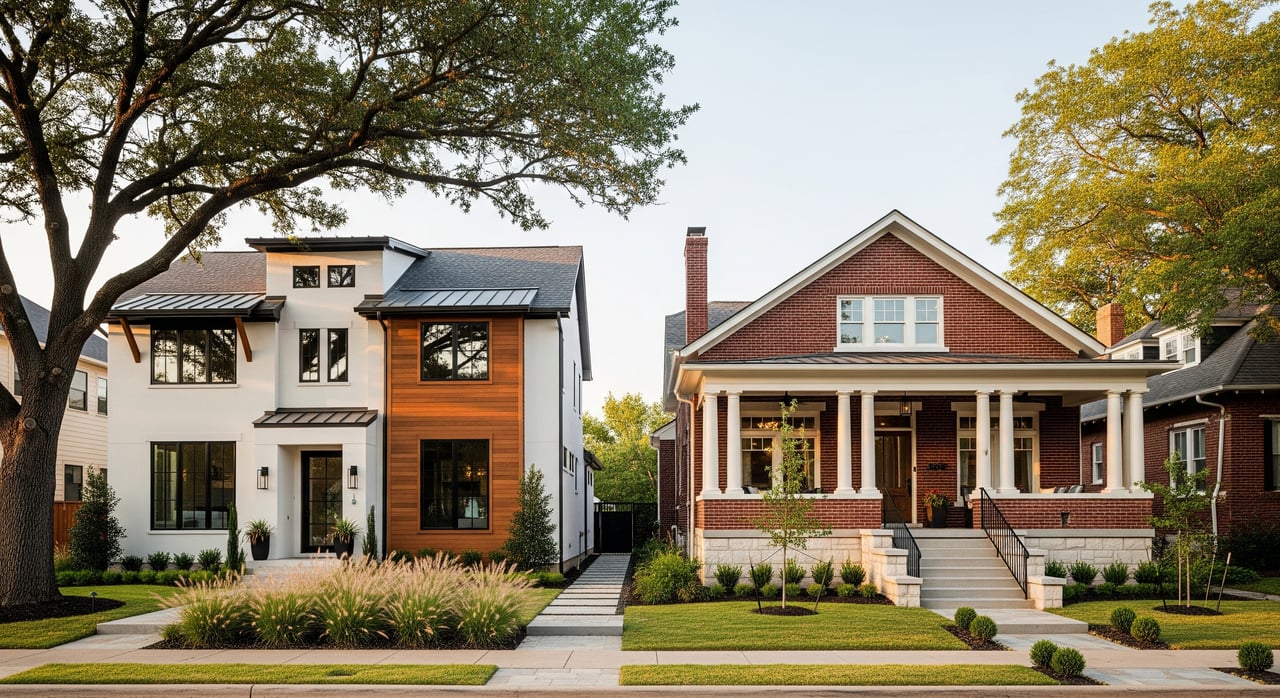
Thinking about a brand-new build or a lived-in home in Norman and not sure which is the smarter buy? You’re not alone. With active building on the city’s edges and steady demand tied to the University of Oklahoma and the I‑35 corridor, the choice comes down to total cost, timing, and lifestyle fit. In this guide, you’ll see how new construction and resale stack up on price, incentives, utilities, taxes, timelines, and resale potential so you can decide with confidence. Let’s dive in.
Norman market context
Norman’s housing demand is shaped by the University of Oklahoma, local employers, and commuters along I‑35. New subdivisions tend to appear on the city’s outer edges or on infill lots, depending on zoning and infrastructure capacity. That means your choice often involves either a newer neighborhood still building out or an established area with mature amenities.
City permitting, building codes, and subdivision rules influence where builders can develop and how quickly. In fast-changing markets, appraisal and pricing dynamics can vary even neighborhood to neighborhood. If you want a fresh snapshot of Norman’s new-versus-resale pricing, ask for the most recent 12 months of MLS data before you decide.
Cost comparison at a glance
Here’s how the main cost categories typically compare in Norman. Use this as a starting point, then verify details in the specific neighborhood and with the specific builder or seller.
| Cost category | New construction | Resale |
|---|---|---|
| Purchase price & price per sq. ft. | Often higher due to builder margins, modern layouts, and lot premiums | Usually lower per sq. ft. for similar size; reflects existing finishes |
| Upgrades & options | Base price may exclude many finishes; upgrades add up quickly | Most finishes already included; future remodels are optional |
| Closing costs & incentives | Builders may offer rate buydowns or closing credits | Concessions vary by supply and demand; case by case |
| Financing structure | May involve construction-to-perm or builder-preferred lenders | Typically conventional, FHA, VA; faster process |
| Appraisal risk | Fewer comps in new subdivisions can create appraisal gaps | Comps are established; still subject to market shifts |
| Property taxes | New assessments adjust after completion and can rise with value | Based on existing assessed history; changes with sales and updates |
| Utilities & insurance | Newer codes and systems can lower early utility and repair costs | Varies by age and condition; upgrades may be needed |
| Maintenance & repairs | Lower near-term needs; builder and manufacturer warranties | Potential near-term repairs for systems, roof, appliances |
| Lot & landscaping | Yard, fencing, irrigation may be extra | Established landscaping; updates optional |
| HOA & covenants | Common in new subdivisions; fees and design rules apply | HOA varies by neighborhood; rules and fees are known |
Purchase price and builder options
New construction in Norman often carries a higher price per square foot than comparable resale. That premium reflects new materials, modern floor plans, energy features, and builder profit. Many builders also price lots separately or add premiums for certain locations within the subdivision.
Plan for upgrades. The base price may not include the flooring, countertops, window coverings, appliances, or landscaping you want. Ask for an itemized inclusions list and a full upgrade price sheet. In a resale, most of those items are already built into the price, though you may remodel later to match your taste.
Financing, incentives, and closing costs
Builders frequently offer incentives that reduce your upfront costs or monthly payments. Common options include closing cost credits or interest rate buydowns through a preferred lender. These incentives can be meaningful, but compare the net five-year cost rather than just the day-of-closing savings.
New builds can require different financing, such as construction-to-permanent loans or a single-close product. Terms, fees, and down payment needs vary. Resale purchases usually use conventional, FHA, or VA financing with a simpler path to closing. If you’re considering a builder’s lender, shop the offer with an independent lender so you can compare total costs.
Appraisal and valuation risk
In a developing subdivision, there may be limited nearby sales to support your contract price. That can make appraisals more sensitive and could lead to a gap between appraised value and contract price. Discuss appraisal strategies early with your lender and agent. On the resale side, established neighborhoods usually have clearer comparable sales, though fast-rising areas can still challenge appraisals.
Ongoing costs: taxes, utilities, insurance, maintenance
Property taxes for new construction often start from a lower assessed base during construction and then adjust after completion and sale. Over time, assessments reflect current market value, improvements, and local rules. For resales, the assessed value starts with the home’s history and updates over time.
New homes generally meet current building codes, with tighter envelopes and modern HVAC that can reduce utility costs. Insurance pricing can also benefit from newer systems and materials. Resale utility and insurance costs vary by the home’s age, condition, and upgrades.
Maintenance is where new builds typically shine in the early years. Builder and manufacturer warranties cover many items for a set period. Resale homes can be in great shape, but you should budget for near-term repairs depending on age and inspection findings.
Lot, landscaping, and HOA details
With new construction, clarify what the contract includes outside the walls. Sod, sprinklers, fencing, driveways, drainage, and final grading may be options instead of standard. Those items have real costs, so confirm line by line. Resale homes usually include established yards and hardscapes, though you may still want updates.
Many new neighborhoods in Norman use homeowners associations to manage common areas and design standards. Verify fees, rules, and what is covered. In established neighborhoods, HOA terms are already set, and you can review the actual documents before you commit.
Tradeoffs that matter in Norman
Customization and design choices
New construction offers more control over layout, finishes, and energy features. That flexibility can increase cost and extend timelines if you choose custom options. Resale homes deliver character and immediate function, with major changes coming later as a renovation project.
Timing and move-in schedule
Build timelines vary, and weather or permitting can cause delays. Some builders have move-in-ready spec homes that close faster. Resale purchases usually close on a traditional timeline once inspections and financing are complete, which can be helpful if you need quick occupancy.
Quality control, inspections, and transparency
Even a new home benefits from third-party inspections and a detailed pre-closing walk-through to fine-tune the punch list. Resale inspections are essential to uncover hidden issues and shape negotiations. Either way, hire inspectors who know local construction practices.
Energy efficiency and technology
Newer codes, better insulation, and modern systems can reduce utility costs in new builds. Many builders also offer efficiency packages. Resale properties can be upgraded over time with windows, insulation, and HVAC improvements to approach similar performance.
Resale value and appreciation
New homes can command an initial premium. Long-term value depends on location, builder reputation, neighborhood maturity, and lot specifics. Established neighborhoods often have proven market values and clearer appraisals. In Norman, proximity to OU, commute routes, and neighborhood amenities can influence demand and future resale.
Neighborhood maturity and amenities
Brand-new subdivisions may need time to complete sidewalks, parks, or nearby retail. Planned amenities can take years. Established areas already have their infrastructure, commuting patterns, and neighborhood identity in place. Decide if you prefer “growing into” a new area or joining a neighborhood that is already settled.
Legal and contract differences
Builder contracts are often written by the builder and may limit certain contingencies. Read the inspection, warranty, and financing terms closely. Resale contracts tend to follow standard forms and are more negotiable on repairs and timelines.
Lot-specific items in Norman
Consider drainage, stormwater controls, and any floodplain designations. Proximity to major roads and local employers affects commute and noise. Review subdivision plats for easements or retention areas that impact how you can use the lot.
Quick decision guide
- First-time buyer on a budget: Resale often stretches your dollars further and gets you into a location you like sooner. A move-in-ready spec home can still work if a builder’s incentive meaningfully lowers your monthly cost.
- Move-up buyer seeking specific features: New construction can fit your wishlist if you control upgrades and understand the final price. Compare a lightly updated resale to see if it satisfies your needs at a lower cost.
- Downsizer prioritizing low maintenance: New construction offers warranties and fewer near-term repairs. If you want established surroundings and mature landscaping, a well-kept resale may be the better lifestyle fit.
- Investor focused on rentability: Established neighborhoods near consistent demand drivers can be easier to underwrite. New homes may reduce maintenance risk early in the hold period. Model your cash flow both ways.
Top questions to ask builders and sellers
- What is included in the base price, and what are typical upgrade costs for buyers? Get a written inclusions list and line-item pricing.
- Are there lot premiums, and what site work is included? Confirm grading, drainage, driveways, sod, irrigation, and fencing.
- What incentives are available today, and what is the net five-year impact on my payments and closing costs? Compare lender options.
- How are appraisals supported in this subdivision? Ask for recent comps, phases, or pending sales that may help.
- What are the HOA rules, fees, and planned amenities? Review the documents and timelines for common areas.
- What warranties come with the home, and how are punch-list items handled after closing? Get coverage terms and response timelines.
Due diligence checklist for Norman buyers
- Verify city permits and final inspections for new construction before closing.
- Review subdivision plat maps for easements, drainage, or floodplain areas.
- Confirm HOA rules, fees, architectural guidelines, and any planned amenities.
- Order a third-party inspection. For new builds, consider pre-drywall and pre-closing inspections.
- Confirm utility providers, estimated utility costs, and any energy features.
- If schools are part of your decision, confirm attendance boundaries directly with the district.
- Ask for a property tax estimate based on expected assessed value after completion or sale.
How we can help
Choosing between a new build and a resale in Norman comes down to what matters most to you: total cost, timeline, customization, and neighborhood feel. You deserve clear numbers and local insight on every option you are considering. If you want a side-by-side comparison for specific homes or neighborhoods, we can prepare it and negotiate with your interests front and center.
Have questions or want a custom market snapshot? Let’s connect with a local, community-first team that knows Norman and southern Cleveland County well. Reach out to Than Maynard to get started.
FAQs
How much more does new construction cost in Norman?
- New homes often carry a price-per-square-foot premium over resale. Ask for the latest Norman MLS median prices for new versus existing homes to see the current gap.
What extras should I budget for on a new build?
- Plan for upgrades like flooring, countertops, appliances, window coverings, landscaping, fencing, and potential lot premiums unless the builder confirms they are included.
Are builder incentives worth it compared to resale concessions?
- They can be, especially rate buydowns or closing credits. Compare the total five-year cost across both options rather than focusing only on closing-day savings.
Will a lender appraise a house in a brand-new subdivision?
- Yes, but limited comparable sales can make appraisals more sensitive. Talk with your lender early about appraisal approaches and potential gap strategies.
How long will it take to move into a new home versus a resale?
- Resales typically close in weeks once inspections and financing clear. New builds vary by stage; spec homes can close quicker, while to-be-built timelines can run several months.
What inspection protections do I have with a new build?
- Use third-party inspections, a detailed pre-closing walk-through, and written warranty terms. Document punch-list items and confirm the process for post-closing fixes.