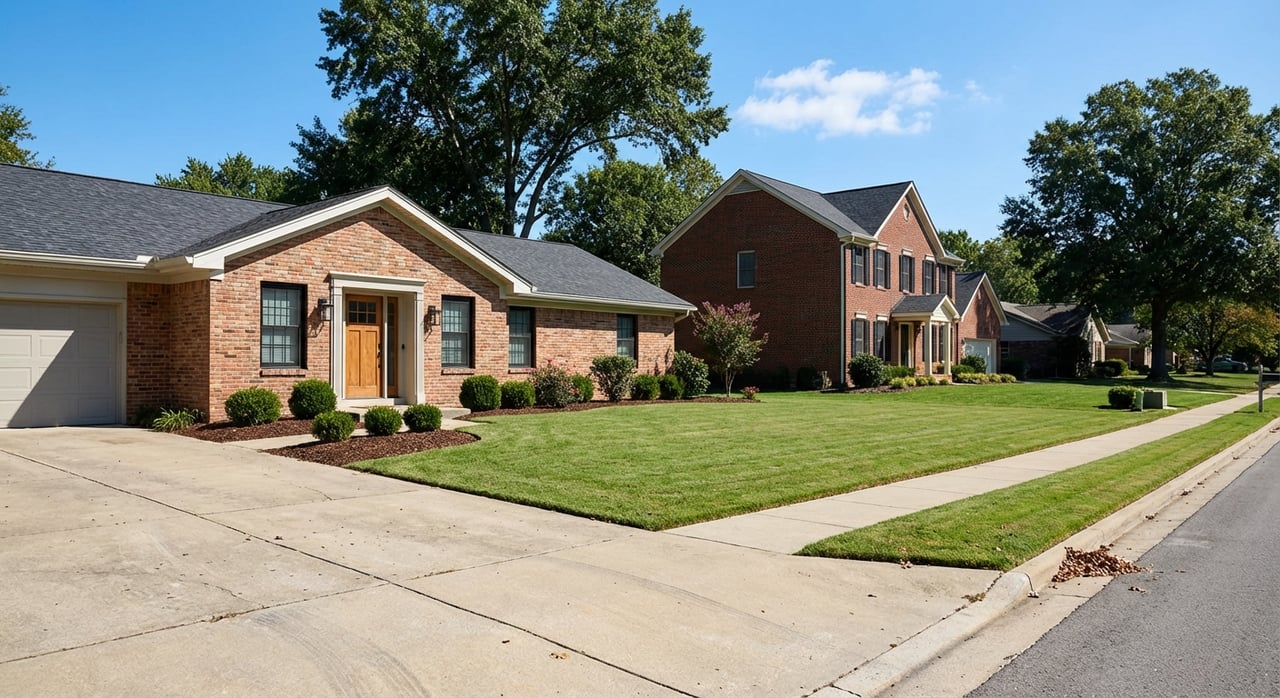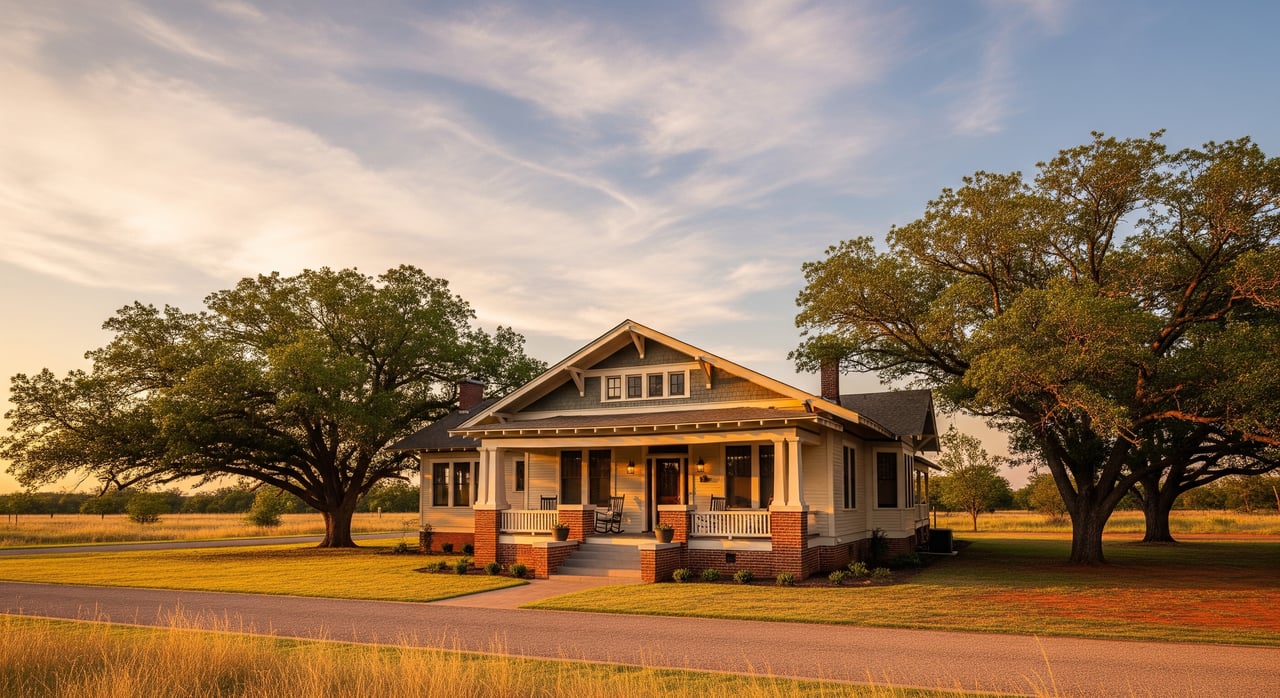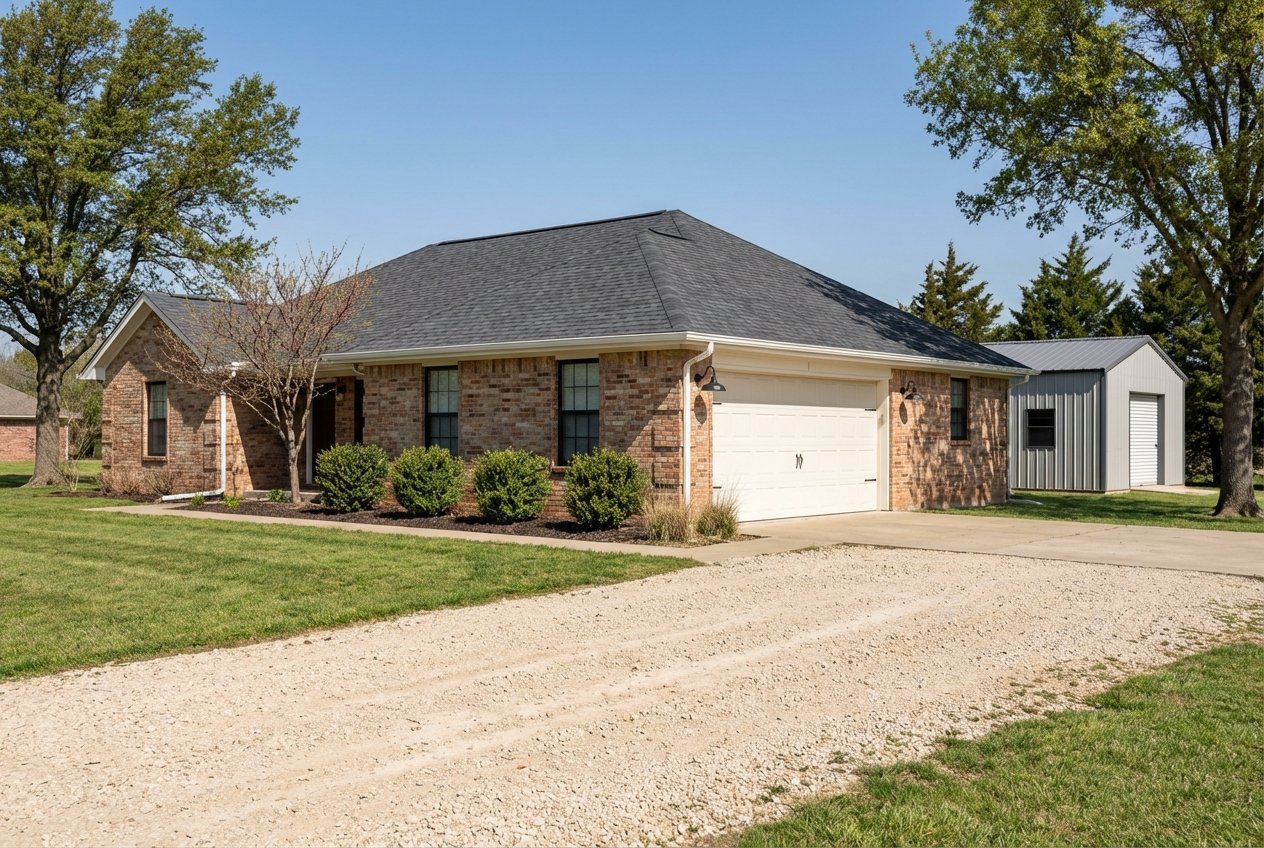
If you’re dreaming about room for a garden, a few animals, or just a quieter life, acreage near Noble can deliver it without giving up an easy drive to Norman or Oklahoma City. Still, land is different from a neighborhood lot. The right tract depends on access, utilities, soils, water, and clear title details you can’t afford to skip. In this guide, you’ll learn how to evaluate acreage around Noble with a practical checklist and local resources to back up every step. Let’s dive in.
Noble location and daily drive
Noble sits just south of Norman, about 6 to 7 miles from central Norman and roughly 28 miles from central Oklahoma City. For many buyers, that means a 10 to 15 minute drive to Norman and 25 to 35 minutes to OKC, depending on route and traffic. Your fastest path often uses I‑35 or US‑77/SH‑9. If a property relies on long county roads, expect slower travel and different maintenance standards.
Inside Noble’s city limits, you’ll find city services and permit contacts through the City of Noble. For parcels in the county, your touchpoints shift to Cleveland County offices and state agencies. Either way, driving the route at your normal commute time is a smart first step.
Start with three deal‑breaker checks
Before you get attached to a view or a barn, confirm these three items. They can save you time, money, and heartache.
Septic feasibility and soils
In rural settings, you’ll likely use an on‑site septic system. In Oklahoma, the Department of Environmental Quality (DEQ) oversees on‑site sewage programs, permits, and certified professionals. Review permit history for any existing system, or plan a soil/site evaluation if you intend to build. The DEQ On‑Site Sewage Programs page explains authorizations, soil profiling, and installer certifications.
- Why it matters: Soil texture, drainage, slope, and usable space control what type of system you can install and what it will cost. Marginal soils may require an alternative system with higher upfront cost and maintenance.
Reliable water source (private wells)
If the parcel has a well, ask for well logs, pump details, yield, and recent water quality tests. If it doesn’t, get drilling estimates and local guidance on groundwater. Private well owners are responsible for testing water quality. The CDC’s drinking water safety guidance and the OSU Oklahoma Well Owner Network outline recommended tests and how often to run them.
- Why it matters: Drilling and pump systems can be a major expense. Water quality and yield affect daily use, livestock, and any treatment systems you might need.
Mineral rights and oil & gas activity
In Oklahoma, mineral rights are often separate from the surface. You need to know if minerals are included, reserved, or leased. The Oklahoma Corporation Commission (OCC) regulates spacing and pooling, and its tools show nearby wells and orders. Use the OCC oil and gas GIS maps to research well data and spacing around a tract.
- Why it matters: If you own the surface but not the minerals, future drilling or pipeline work can affect how you use the land. Confirm mineral status in the title work before you commit.
Access and road frontage
Clarify how you legally reach the property. Is the access via a public road or a private drive? If it’s private, is there a recorded maintenance agreement or HOA? If access relies on an easement, confirm it is recorded, wide enough for trucks and trailers, and clearly described on a survey.
Road type affects vehicle wear, emergency response, and winter access. If you must share or maintain a private road, factor the cost and the time it takes to plow, grade, or repair. Ask who maintains the road today and how the costs are split.
Utilities and internet
Inside vs. outside city limits
Parcels inside city limits commonly have access to city water/sewer and municipal services. Confirm connection steps with the City of Noble. Outside city limits, plan for a private well and septic unless a rural water district serves the area. The Oklahoma DEQ on‑site programs page covers septic permitting basics.
Electric and gas
OG&E and Oklahoma Natural Gas serve much of the region, but lines do not always reach every tract. Ask each utility for an address‑level service check and any line‑extension costs. Get these quotes early, because extensions can impact your budget and timeline.
Broadband and cellular
Internet options vary by parcel. Some areas have fiber or cable, while others rely on fixed wireless, 5G home internet, or satellite. Run an address check with providers and consult statewide tools such as BroadbandNow’s Oklahoma listings to understand options and speeds.
Soils, topography, pasture, and drainage
Soil maps help you predict how land will perform for building sites, paddocks, ponds, and pasture. The USDA NRCS provides county‑scale data and limitations for septic and construction planning. Start with the NRCS soil survey resources, then have a DEQ‑certified soil professional evaluate the specific spot where you plan to build or place a septic system.
Floodplain, wetlands, and environmental checks
Review FEMA Flood Insurance Rate Maps to see if any part of the tract lies in a mapped flood zone or floodway. Building in floodways is risky and may trigger elevation requirements or impact financing. Use the FEMA Flood Map Service Center and speak with the local floodplain administrator about any map updates or local history.
Also ask the seller about past ponding, standing water, or known environmental concerns such as old fuel tanks. This quick conversation can point you to the right follow‑up with county or state offices.
Taxes, zoning, and permits
Property taxes vary by location and taxing districts. Contact the Cleveland County Assessor to review current taxes and to ask whether the parcel might qualify for an agricultural classification if used for bona fide agriculture. If you plan to build, confirm who issues permits. Parcels inside city limits typically work through the city, while unincorporated tracts go through county planning. Start with Cleveland County’s official site to identify the right offices and any driveway or culvert permits you may need.
Title, easements, and recorded restrictions
Order a title commitment early. Ask the title company to list all exceptions, including utility and pipeline easements, access easements, restrictive covenants, and any deed language that reserves mineral rights. If you will use a private road, require a recorded maintenance agreement and verify that it runs with the land. A current boundary survey helps confirm road frontage, usable acreage, and the exact location of any easements.
Your step‑by‑step due diligence plan
Use this checklist to structure your offer and inspection window:
- Order a title commitment and review deed history, including mineral reservations or leases.
- Get a boundary survey to confirm access, easements, and usable acreage.
- Have a DEQ‑certified soil profiler run a septic feasibility review and begin any needed authorization.
- Inspect an existing well and test water for bacteria and nitrates; or get drilling estimates if no well exists.
- Pull NRCS soil maps and walk the land to assess drainage, erosion, and potential building sites.
- Check FEMA flood maps and talk to the local floodplain administrator about map changes or local history.
- Search OCC maps for wells, pooling orders, and spacing around the tract; get copies if activity is nearby.
- Contact electric, gas, and internet providers for address‑level availability and extension costs.
- Ask the county assessor about current taxes and possible agricultural use classification.
- Confirm building and driveway permits with the city or county, including setbacks and septic lot‑size rules.
How a local, rural‑savvy agent helps
A Noble‑area acreage purchase moves faster and with fewer surprises when you have a guide who knows the land playbook. A rural‑experienced agent can connect you with DEQ‑certified soil profilers, well drillers, and surveyors, request the right records up front, and write contingencies that give you time to test wells, soils, and utilities. They also understand city versus county jurisdiction, how title exceptions affect use, and how to coordinate with local offices.
Coldwell Banker Heart of Oklahoma Real Estate is rooted in southern Cleveland and McClain counties, with experience across raw land, acreage, and farm and ranch. If you want clarity on access, utilities, water, septic, and mineral rights before you write an offer, we are ready to help you move from land‑curious to land‑confident.
Ready to start your acreage search near Noble? Reach out to Than Maynard for a straightforward plan and local expertise.
FAQs
How far is Noble‑area acreage from Norman and OKC for daily commuting?
- Most Noble parcels are about 10 to 15 minutes from central Norman and 25 to 35 minutes from central Oklahoma City, depending on the route, traffic, and whether you rely on county roads or I‑35/US‑77.
What should I do if a property near Noble has no existing well?
- Get drilling estimates and local guidance on groundwater, and plan for water testing after installation; private well owners should follow recommendations from the CDC and OSU’s Well Owner Network for routine testing.
How do I know if my tract can support a septic system in Cleveland County?
- Hire a DEQ‑certified soil profiler to evaluate soils and site conditions and work through the DEQ authorization process if you are building or replacing a system.
What do mineral rights mean when buying land in Oklahoma?
- Mineral rights may be separate from the surface; use OCC maps to check for wells or pooling around the tract and confirm in title work whether minerals are included, reserved, or leased.
Who maintains a private road or shared driveway to my acreage?
- Private roads are typically maintained by the owners who use them, often under a recorded maintenance agreement; verify that an agreement exists, is recorded, and explains cost sharing and standards.