Wondering what to fix before selling your Blanchard home? In a market where buyers have time to compare options, small problems can feel bigger than they should. The good news is that you do not need to renovate everything. You just need to focus on the repairs and prep work that matter most to buyers, inspectors, and appraisers. Let’s dive in.
Why pre-listing repairs matter in Blanchard
Blanchard is not an especially competitive market right now. Recent market data shows a median sale price of $354,500, homes spending about 58 days on market, and average sales coming in around 3% below list price. Realtor.com market pages for Blanchard and Grady County also describe the area as a buyer’s market, with homes often taking two to three months to sell.
That matters because buyers usually have choices. If your home shows visible deferred maintenance, they may move on to another property or use those issues to negotiate harder on price, repairs, or closing costs.
Blanchard-area weather is another big factor. According to the National Weather Service Norman office, Grady County is part of a region with a history of hail, damaging wind, tornado, and flooding events. That means roof condition, drainage, windows, exterior trim, fences, and other storm-exposed features deserve a close look before you list.
Fix safety and structural issues first
If your budget is limited, start with problems that affect health, safety, or structural soundness. These are the issues most likely to concern buyers and show up during inspections or appraisals.
Oklahoma’s Residential Property Condition Disclosure Act specifically points sellers toward material conditions involving the roof, walls, floors, foundation, plumbing, electrical, heating and air conditioning, water and sewer systems, infestation or wood-destroying organisms, and major fire or tornado damage. If you know about a serious issue in one of those categories, it should be addressed or clearly disclosed.
Top repair priorities before listing
Focus first on items like these:
- Roof leaks or visible roof damage
- Water intrusion or poor drainage around the home
- Foundation movement or settlement concerns
- Active plumbing leaks
- Electrical problems
- HVAC systems that do not work properly
- Broken steps or missing handrails
- Cracked windows
- Damage from wood-destroying organisms
- Major storm, fire, or tornado damage
These are not just cosmetic concerns. Fannie Mae appraisal guidance says appraisals must note visible deficiencies that affect safety, soundness, or structural integrity, and some of those issues may need to be repaired before a loan can move forward.
Think like a buyer, inspector, and appraiser
One of the easiest ways to decide what to fix is to walk through your home and ask a simple question: what will someone notice in the first few minutes?
A buyer may not know the age of your HVAC system, but they will notice a water stain on the ceiling, a loose handrail, or a cracked window. An appraiser may not do the same work as a home inspector, but HUD explains that an appraisal is still a lender value check with minimum property standards in mind. In other words, obvious condition issues can still slow your sale.
That is why visible, material repairs often offer the best return. If a problem stands out quickly, it can shape the buyer’s opinion of the whole house.
Do not ignore storm-related wear
In central Oklahoma, weather-related wear is part of homeownership. Before listing, pay special attention to areas that regularly take the brunt of hail, wind, and heavy rain.
Exterior items worth checking
Inspect these items closely:
- Shingles, flashing, and gutters
- Siding, trim, and fascia boards
- Windows and screens
- Doors and weatherstripping
- Fence sections and gates
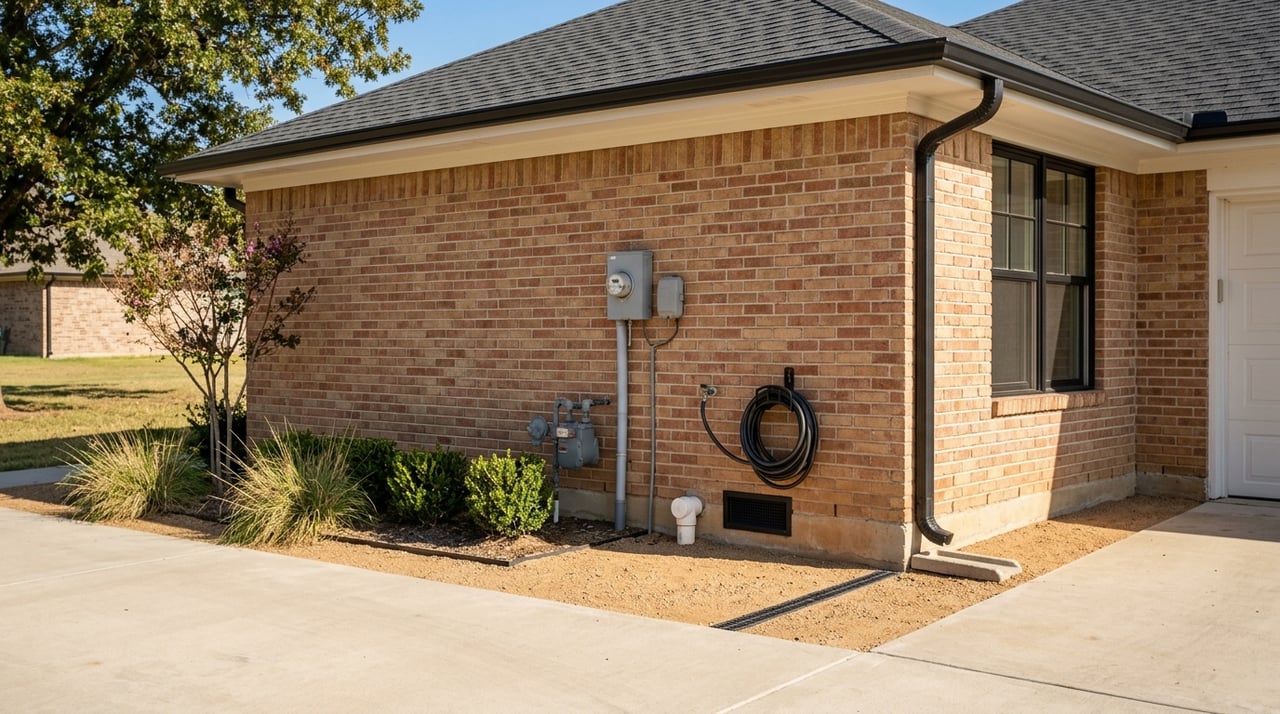
- Grading and drainage near the foundation
- Driveways and walkways with trip hazards
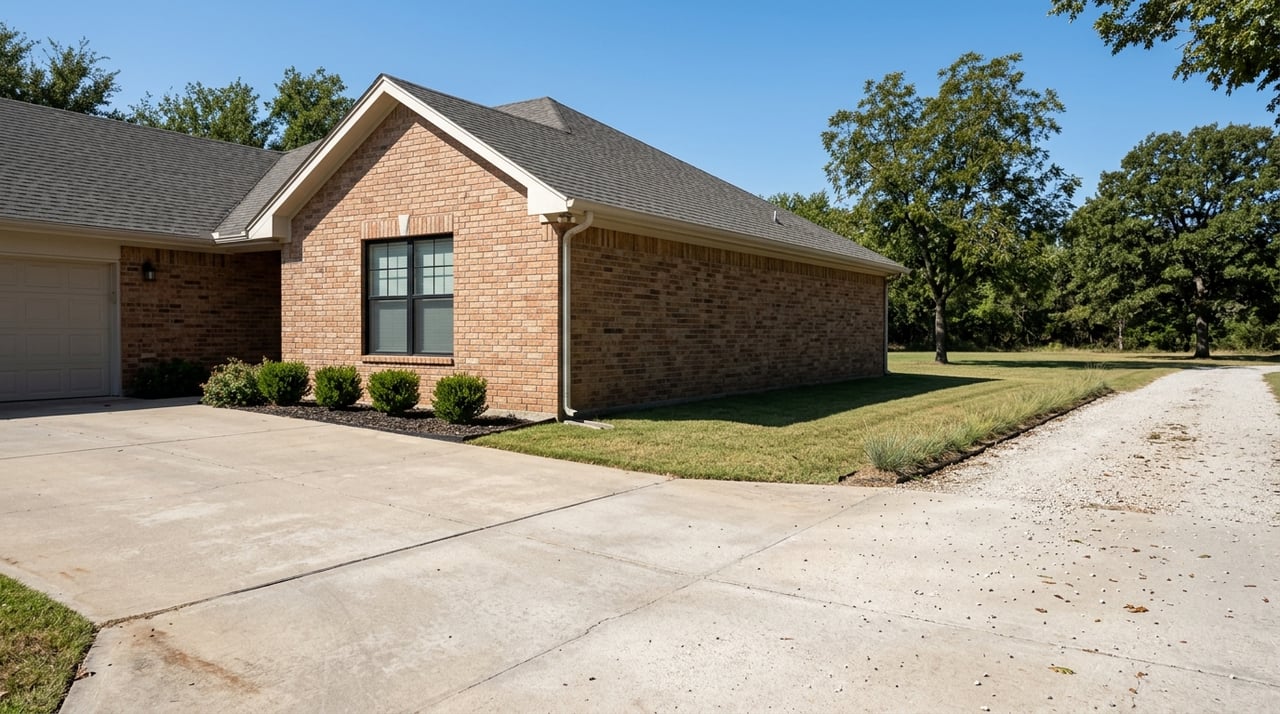
You do not need to make every exterior surface look brand new. But you should correct obvious damage, clean up neglected areas, and make sure water moves away from the home properly.
Handle acreage property systems early
In and around Blanchard, some homes sit on larger lots or acreage. Those properties often come with extra systems and structures that deserve attention before you put the home on the market.
Private well checks
If your property has a private well, gather recent testing and maintenance information. Oklahoma State University notes that private well water is unregulated, the owner is responsible for testing and maintenance, and annual testing is recommended.
OSU also points to the Oklahoma Well Owner Network for free basic screening of household wells. Having current records ready can make your listing feel more organized and reduce buyer uncertainty.
Septic system basics
If your home uses a septic system, do not treat it like an afterthought. OSU Extension says there is no install-and-forget septic system, maintenance records matter, and sellers should be ready to answer questions such as when the tank was last pumped and who services the system.
If the system is not functioning properly, fix that before listing if possible. A malfunctioning septic system can create health, environmental, and financial concerns, and buyers tend to react quickly to uncertainty around wastewater systems.
Barns, shops, sheds, and fences
For acreage properties, buyers often look beyond the house itself. Detached garages, barns, sheds, gates, fencing, and long driveways all shape how the property is perceived.
If those improvements have roof leaks, unsafe wiring, structural problems, or access issues, move them up your repair list. Cosmetic age is one thing. Visible safety problems are another.
Cosmetic fixes with the best payoff
Once major repair items are under control, shift to the lower-cost updates that help your home show better. In many cases, these are the improvements that make the listing photos stronger and the first impression cleaner.
The National Association of Realtors 2025 Remodeling Impact Report found that Realtors most often recommend painting the entire home, painting one interior room, and installing new roofing before listing. NAR’s 2025 staging survey also found that decluttering, cleaning the entire home, and improving curb appeal were the most common seller recommendations.
Best low-to-medium cost improvements
If you want the clearest resale signal, start here:
- Deep clean the entire home
- Declutter countertops, shelves, and closets
- Touch up or repaint bold or worn walls in neutral tones
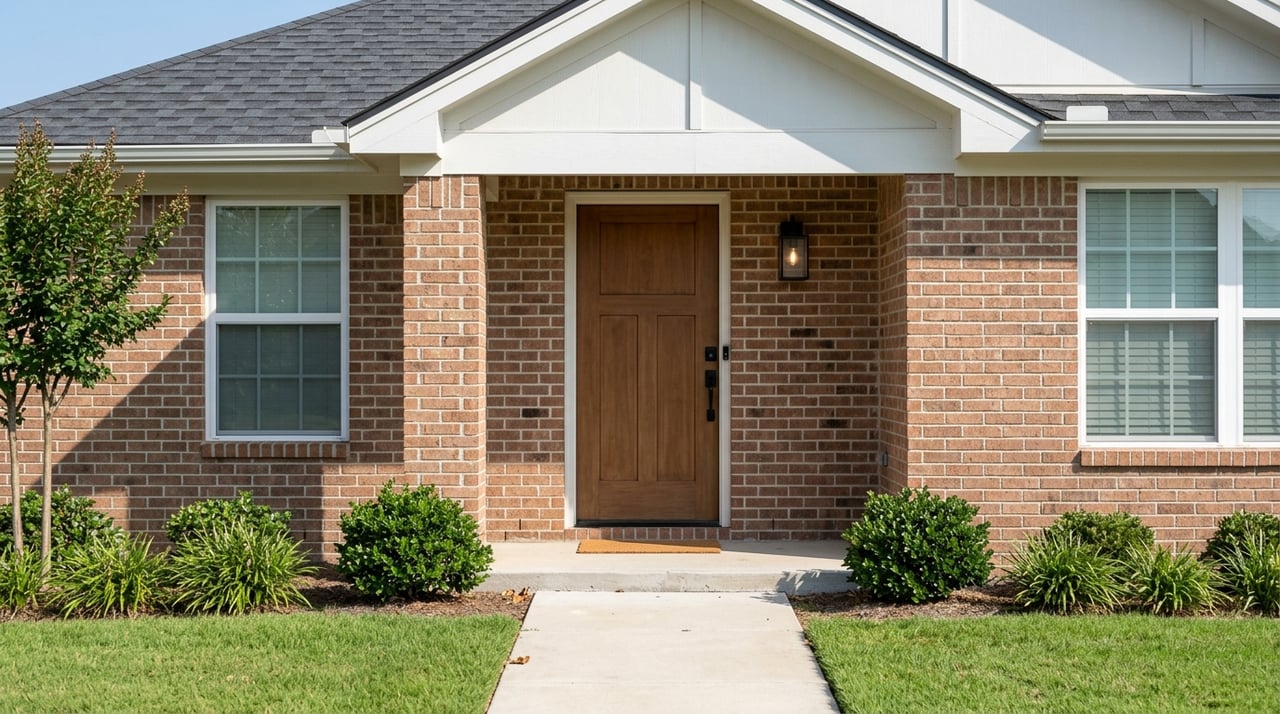
- Freshen up landscaping and entry areas
- Replace burned-out bulbs
- Repair scuffed trim or damaged baseboards
- Clean windows and remove broken screens
- Make the living room, primary bedroom, and kitchen look open and functional
These updates work because they help buyers picture themselves in the home. NAR reported that 83% of buyers’ agents said staging made it easier for buyers to imagine the property as their future home.
What you can often leave alone
Not every imperfection needs your time or money. If something is dated but functional, you may be better off leaving it as-is and pricing accordingly.
Fannie Mae’s property condition guidance notes that some minor issues can still be acceptable in an as-is conventional appraisal if they do not affect safety, soundness, or structural integrity. Examples can include worn floor finishes, small plumbing drips, holes in window screens, missing handrails, and cracked window glass, though you should still treat visible safety items seriously.
In practical terms, you can often leave these alone if they are truly minor:
- Dated but working finishes
- Older carpet with normal wear
- Cabinets that are functional but not current in style
- Cosmetic aging that does not suggest neglect
If a larger upgrade is not required, a price adjustment or repair credit may be simpler than spending heavily on replacement right before listing.
Special note for pre-1978 homes
If your home was built before 1978, peeling, chipping, or cracking paint deserves extra care. The EPA says deteriorated paint is a common lead hazard, and it notes that nearly 30% of U.S. homes, mostly built before 1978, have lead-based paint.
If paint is failing on an older home, do not treat it like a basic weekend project without understanding the risks. The EPA’s lead-safe renovation guidance explains that renovation and lead-paint work in pre-1978 homes should be handled properly and safely.
Keep your disclosures current
Repairs are only part of the process. Sellers in Oklahoma also need to keep disclosures accurate.
Under the Residential Property Condition Disclosure Act, sellers must provide a disclosure or disclaimer before an offer is accepted. If you later learn about a defect, an amended disclosure is required.
A good rule of thumb is simple: fix what is obvious and material, disclose what remains, and do not assume an as-is sale removes the need to address known problems. Clear information helps transactions move more smoothly.
A simple repair strategy before listing
If you feel overwhelmed, use this order of operations:
- Fix health, safety, structural, and water-related issues first.
- Address storm damage and exterior maintenance next.
- Service acreage systems like wells and septic, if applicable.
- Clean, declutter, and improve curb appeal.
- Skip major cosmetic overhauls unless the numbers clearly support them.
- Update disclosures if you discover or repair material issues.
This approach helps you spend money where it matters most in a buyer’s market.
If you are not sure where to draw the line, local guidance can help. The right pre-listing plan is not about doing everything. It is about doing the right things for your property, timeline, and price point. When you are ready for practical advice on preparing and marketing your home in Blanchard, reach out to Than Maynard.
FAQs
What should sellers fix first before listing a home in Blanchard?
- Start with roof issues, leaks, drainage problems, foundation concerns, plumbing or electrical problems, HVAC failures, broken steps, missing handrails, cracked windows, and other visible safety or structural issues.
What cosmetic repairs matter most before selling a Blanchard home?
- The highest-impact cosmetic updates are usually deep cleaning, decluttering, neutral paint touch-ups, curb appeal improvements, and simple staging in key rooms like the living room, primary bedroom, and kitchen.
What repairs can sellers often skip before selling a home in Blanchard?
- Dated but functional finishes, older carpet, and other purely cosmetic issues can often be left alone if they do not affect safety, structural integrity, or buyer confidence in the home’s condition.
What should sellers with acreage properties in Blanchard check before listing?
- If your property has a well, septic system, barn, shed, detached garage, fencing, or gates, gather maintenance records and address visible safety, structural, electrical, roof, or access problems before listing.
What do Oklahoma sellers need to disclose when selling a home?
- Oklahoma sellers must provide a property disclosure or disclaimer before offer acceptance, and if you later learn of a defect, you need to provide an amended disclosure.