If you are buying acreage around Purcell for the first time, it is easy to focus on the views, the open space, or the idea of finally having room to spread out. But with rural property, the real work often starts before you close. A practical checklist can help you avoid surprises, ask better questions, and make sure the land actually fits your plans. Let’s dive in.
Start With Jurisdiction First
One of the first things to confirm is whether the property sits inside Purcell city limits or in unincorporated McClain County. That single detail affects which office handles planning, permits, code questions, and some utility issues. The City of Purcell Planning and Code Enforcement department handles city-related planning matters, while county offices handle key items for unincorporated land.
If the tract is outside city limits, McClain County may be the office you work with for floodplain permits, road connections, and addressing. That matters because the process for improving land can look very different from what you may be used to in a typical neighborhood setting. Before you get too far into the purchase, make sure you know which rules apply.
Confirm Legal Access Early
Acreage should not be judged by appearance alone. You want to know how you legally access the property and whether any future driveway or road connection needs county approval.
For example, if you need a new driveway connection to a county road, McClain County requires a road connection application through its permits process. If the property is in an unincorporated floodplain area, the county also requires specific development information, including latitude and longitude, and may suggest using a surveyor or hydrologist when needed.
This is one of the biggest first-time buyer mistakes with land. A parcel may look simple on paper, but access, road frontage, and improvement requirements can change your budget and timeline.
Review Title, Easements, and Mineral Rights
Before you close on acreage, make title work a priority. According to Oklahoma State University Extension, a lawyer, title search, title insurance, and abstract are often essential in rural property purchases.
You also want to verify:
- Easements
- Liens
- Deed issues
- Mineral rights
- Oil and gas lease records
These details can affect how you use the property. OSU notes that easements for things like powerlines, pipelines, and roads may cross a tract, and mineral rights can also impact ownership expectations. For local recordkeeping, the McClain County Clerk and Assessor offices are important sources for parcel records, maps, and tax-related information.
Treat Utilities as a Separate Checklist
Many first-time acreage buyers assume utilities are either available or easy to add. Around Purcell, that is not always the case. Utility availability can depend heavily on whether the property is in town or outside city limits.
Inside the city, Purcell utility services cover electric, water, sewer, and trash through the city system and Purcell Public Works Authority. Outside the city, availability becomes parcel-specific.
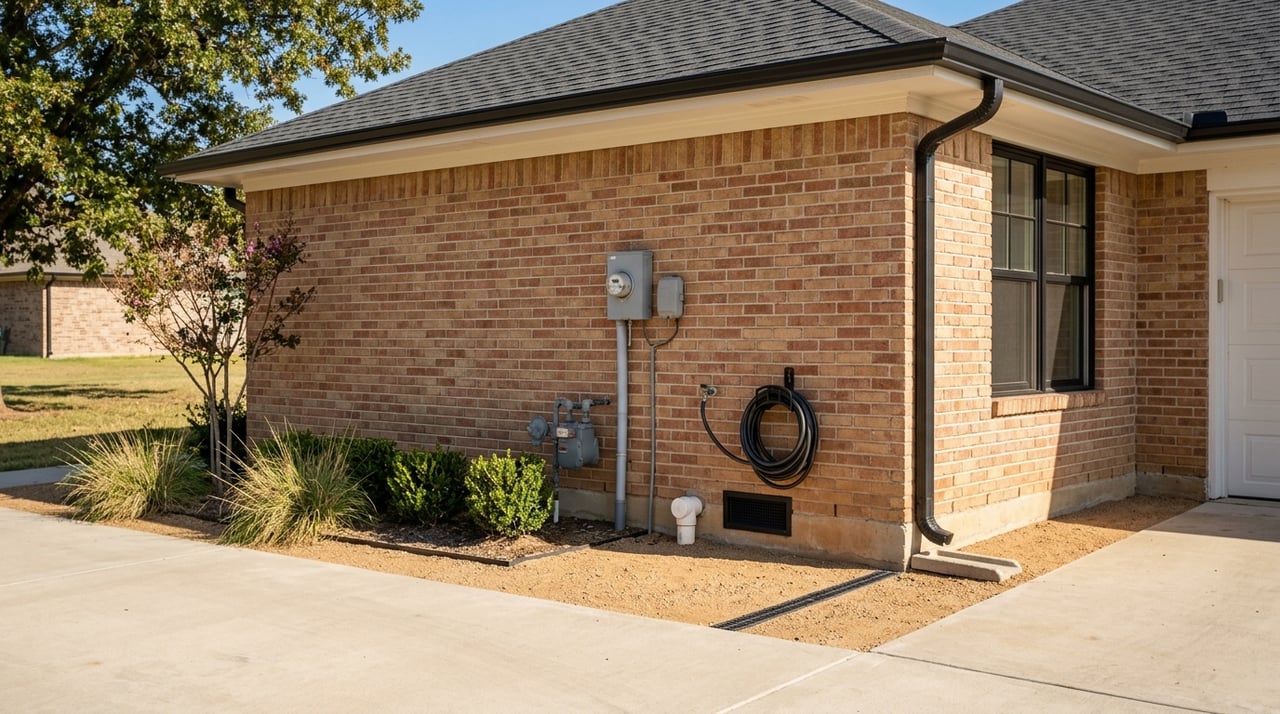
McClain County documents note that electric service may come from several providers, including PSO, OEC, OG&E, rural electric cooperatives, and Purcell Electric. Natural gas service also varies, and some properties rely on propane instead. That means you should verify service availability directly for the specific tract rather than assume nearby lines guarantee a simple connection.
Ask Water Questions Before You Offer
Water service is one of the most important acreage questions you can ask. If the property is on rural water, you need to know whether a service line already exists and what is required for a new tap.
For example, McClain County Rural Water District #8 asks buyers to provide at least a legal description so staff can check service availability. A tap request may also require a warranty deed and a soil or perk test.
If the property uses a well, OSU recommends testing well water for bacteria and nitrates and inspecting the pump, casing, and pressure tank before purchase. Those steps can help you avoid unexpected repair or water-quality issues after closing.
Understand Septic Before You Commit
If sewer is not available, wastewater becomes its own project. In Oklahoma, the DEQ On-Site Sewage Program requires a Report for On-Site Sewage to determine what systems are allowed. An Authorization to Construct must be issued before installation or modification, and new systems must be inspected and approved before use.
If the property already has septic, do not assume it is in good condition. OSU recommends inspecting the system and, if possible, pumping the tank before purchase because drainfields can be undersized or clogged. This is one of the most important due-diligence steps for rural property.
Check Floodplain and Building Questions
If you plan to build, add a shop, or make other improvements, start asking those questions early. Inside city limits, Purcell lists permits for fences, additions, garages, outbuildings, and curb cuts through its planning and code office.
Outside city limits, the county still has rules that may apply. The McClain County permits page covers floodplain development and road connection applications, and county addressing procedures can also come into play. Vacant land in the county is not assigned an address until a structure is built, so timeline planning matters.
Match the Land to Your Intended Use
Acreage is not one-size-fits-all. The right tract for a homesite may not be the right tract for livestock, hay, or future outbuildings. OSU recommends thinking carefully about whether the land is truly suited to the way you want to use it.
If you plan to use the property for agricultural purposes, it is also smart to ask how the land is classified for tax purposes. Oklahoma rules treat qualified agricultural land as a separate valuation class using use-value methodology. That does not mean every acreage parcel automatically qualifies, so it is worth asking questions before you buy.
Expect More Ongoing Maintenance
Acreage often gives you more freedom, but it also gives you more responsibility. OSU notes that rural owners should expect tasks like fence repair, septic mapping, well testing, backup heat planning, and fire-protection planning.
You should also be prepared for longer power outages and more difficult road conditions during storms. These are practical lifestyle factors that matter just as much as square footage or price when you are choosing rural property.
Learn Local Burn, Trash, and Addressing Rules
Small operational details can make rural ownership easier when you know them ahead of time. If you are inside Purcell city limits, the Purcell Fire Department states that residents need a burn permit before outside burning.
Outside city limits, rural fire dues apply and are listed at $75 per year. For emergency response in unincorporated areas, McClain County 9-1-1 address requests are used to assign addresses to residences, and the address should be clearly posted at the driveway entrance. The county notes that address requests may take about 10 business days.
If you live in the city and need to dispose of brush or bulky debris, the Purcell Convenience Center accepts brush, trash, and recycling, with required documentation for use. It is a small detail, but practical services like this can affect day-to-day ownership.
A Practical Acreage Checklist
If you want a simple way to organize your due diligence, start here:
- Confirm whether the property is inside Purcell city limits or in unincorporated McClain County
- Verify legal access and ask whether a road connection permit is needed
- Review title, easements, liens, and mineral rights
- Check parcel records and tax information
- Verify electric, water, gas, and trash options for the exact property
- Confirm whether sewer is available or septic will be required
- Inspect any existing septic system, well, or water equipment
- Ask about floodplain status and development requirements
- Review permit needs for fences, outbuildings, driveways, and other improvements
- Make sure the land fits your intended use, whether residential, agricultural, or recreational
- Budget for ongoing maintenance and rural service realities
- Ask about burn rules, emergency addressing, and local service logistics
Why Local Guidance Matters
The biggest challenge for first-time acreage buyers is not just finding land. It is connecting all the moving parts before you are too far into the process. Around Purcell, that can mean talking with city offices, county offices, DEQ, utility providers, rural water districts, and title professionals depending on the property.
That is why local experience matters so much in a land purchase. A knowledgeable local brokerage can help you spot the right questions early, organize the due-diligence process, and keep your plans grounded in what the property can realistically support. If you are thinking about buying acreage near Purcell, Than Maynard can help you evaluate land with a practical, local-first approach.
FAQs
What should first-time acreage buyers verify first near Purcell?
- Start by confirming jurisdiction, legal access, title details, easements, and utility availability for the specific property.
Does acreage near Purcell always have city utilities?
- No. Inside Purcell city limits, properties may have access to city utilities, but outside the city utility service is parcel-specific and should always be verified.
What should acreage buyers know about septic systems in McClain County?
- If sewer is unavailable, buyers should review DEQ on-site sewage requirements and inspect any existing septic system before closing.
Do rural properties in McClain County need an address before building?
- Vacant land in unincorporated McClain County is not assigned an address until a structure is built.
Why do easements and mineral rights matter when buying acreage?
- They can affect how you use the property, where you build, and what rights come with the land purchase.