Acreage buyers often decide how they feel about a property before they ever step inside the house. In Blanchard, that first impression starts at the gate, the driveway, the pasture, and the way the land feels when someone pulls up. If you are getting ready to sell, a few smart steps can make your property look cleaner, safer, and easier for buyers to understand. Let’s dive in.
Why acreage prep matters in Blanchard
Blanchard is a growing city that spans both Grady and McClain counties, which means acreage properties can come with a mix of features, records, and county-specific details. The city had an estimated population of 9,869 in July 2024, up 11.2% since 2020, and it remains a strongly owner-occupied market.
That kind of market does not mean presentation is optional. It means buyers are comparing properties carefully, especially when they are looking at land, outbuildings, access, fencing, and utility setup. Acreage is not just about the number of acres. It is about how usable and well-kept the property looks the moment buyers see it.
Start with what buyers see first
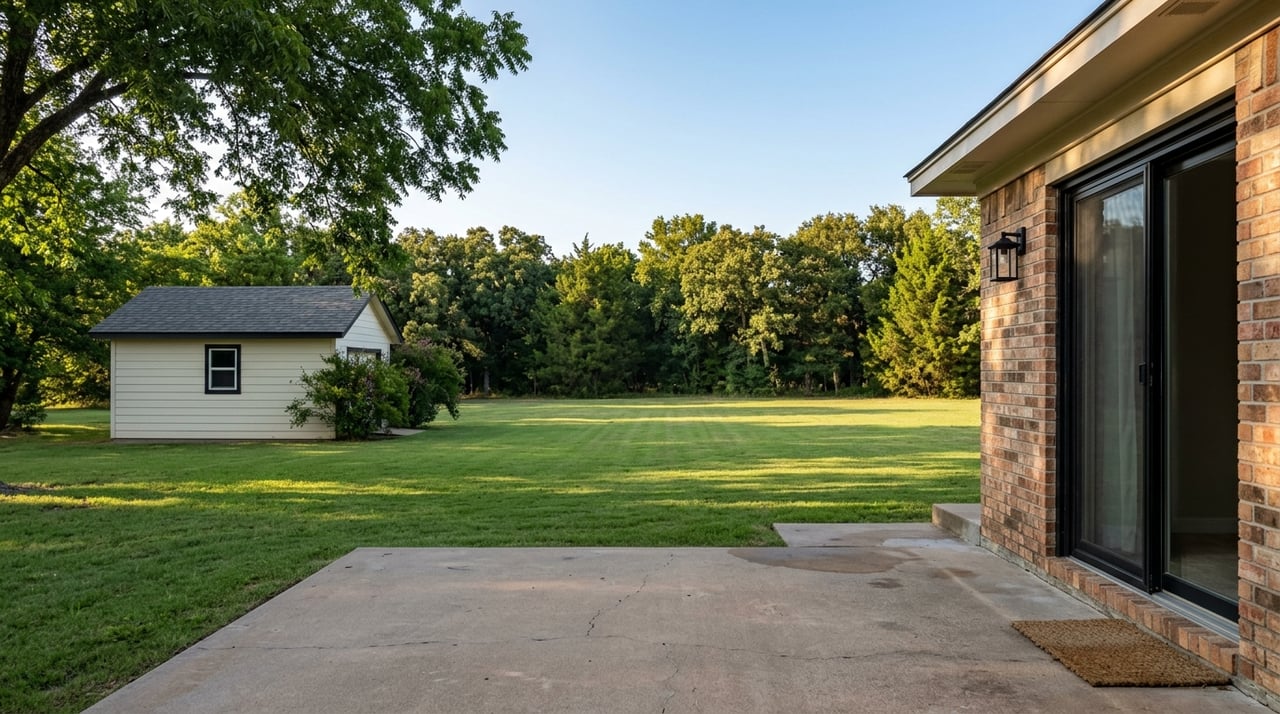
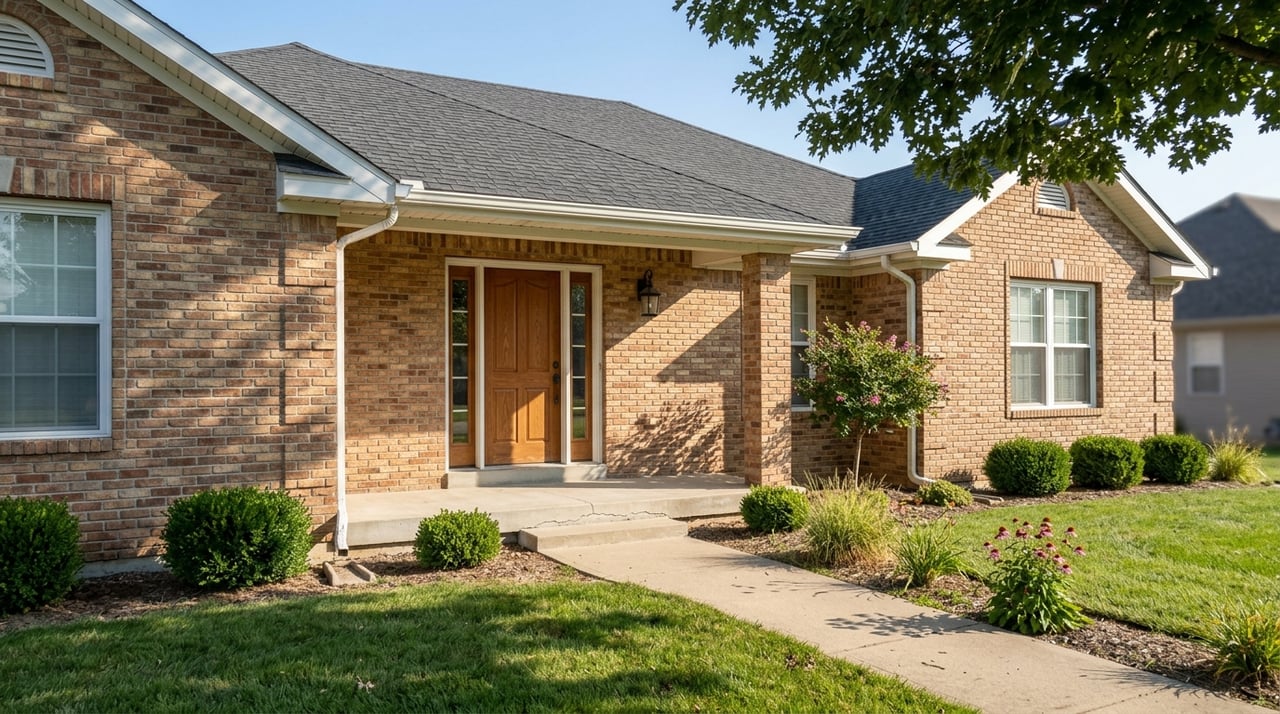
When you prepare acreage for the market, begin with the areas that shape the first impression. That usually means the entry, the drive, the space around the house, and any barnyard or equipment area that is visible right away.
Oklahoma State University Extension guidance supports focusing on the immediate area around structures, plus driveways, gates, fence lines, and high-visibility work areas. These spots affect both appearance and function, which matters when buyers are trying to picture how the property works day to day.
Clean the driveway and entry
Your driveway sets the tone for the showing. If it is overgrown, muddy, cluttered, or hard to follow, buyers may start the tour feeling uncertain.
Trim back vegetation along the drive, remove debris, and make sure the route feels open and easy to navigate. If you have a gate, make sure it opens easily without tools. That is a practical safety step, and it also makes the property feel maintained.
Tidy the area around structures
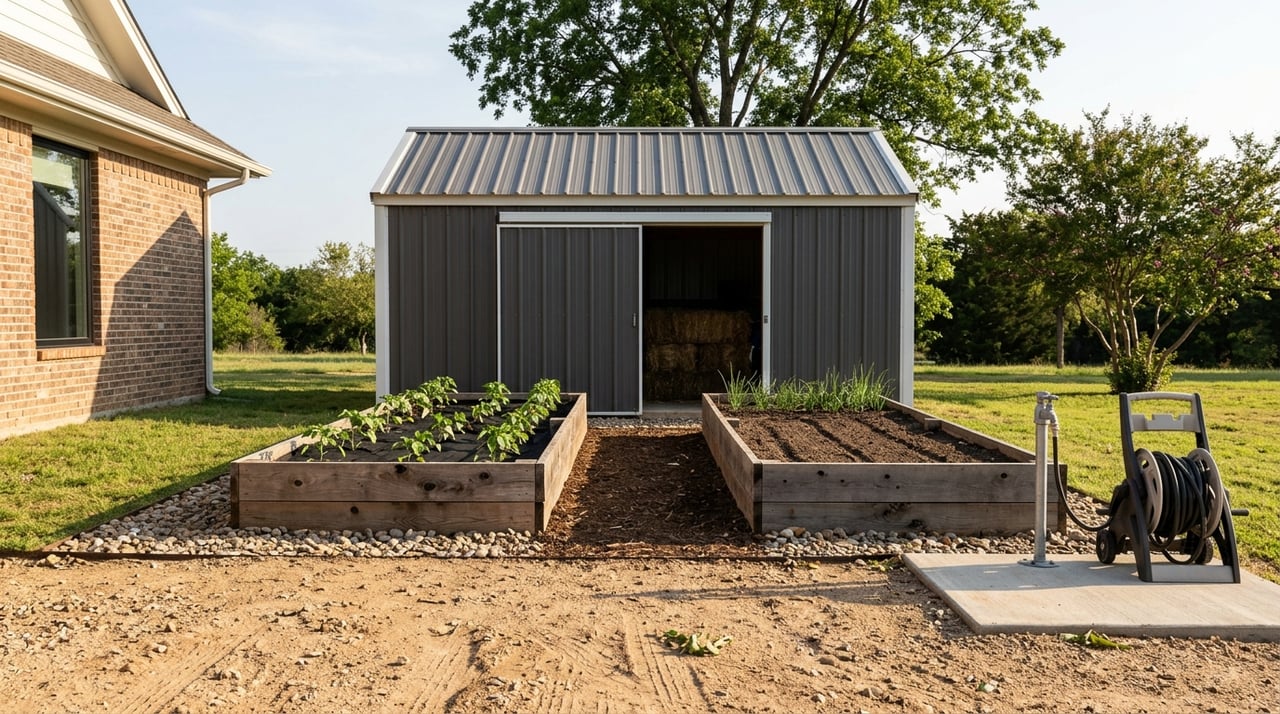
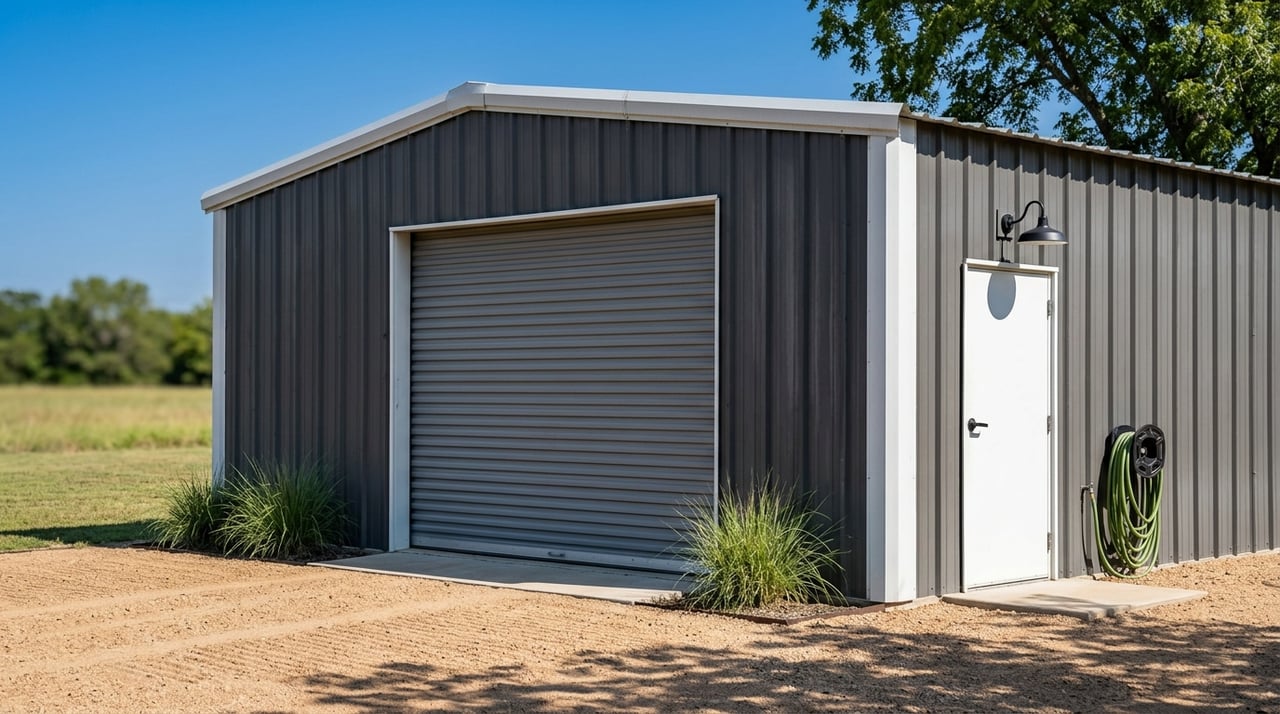
The space around the house, barn, shop, and sheds should look intentional. OSU recommends mowing or grazing vegetation low, pruning trees 6 to 10 feet up, removing dead trees, and clearing heavy brush piles.
Those steps help with safety, but they also make photos and in-person tours look much better. Buyers can see the structures clearly, and the whole property feels more open and cared for.
Define fence lines and pasture corners
Fence lines do more than mark boundaries. They help buyers understand layout, usability, and how the land is organized.
OSU specifically discusses firebreaks along fence lines and in pasture corners, which reinforces the value of keeping these areas clean and clearly defined. Even simple mowing and brush removal can make a big difference in how the acreage reads in photos.
Make the land look usable
One of the biggest mistakes sellers make is treating the house as the whole listing and the land as background. On acreage, the land is part of the product. Buyers want to see how they can use it.
That means your goal is not to make the property look perfect. Your goal is to make it look understandable. Clear access, visible fences, organized work areas, and open sightlines help buyers picture the property’s function.
Mow and manage growth
Tall grass and unmanaged growth can make a property feel larger in a messy way, not a valuable way. Mowing or grazing vegetation low gives the land a cleaner look and helps show its shape.
If there are trees near structures, OSU recommends pruning them 6 to 10 feet up and removing flammable mulch from underneath. This creates cleaner lines and improves visibility in listing photos.
Organize equipment and stored materials
Loose equipment, stacked supplies, and scattered materials can make a useful property feel crowded. OSU recommends parking equipment on gravel, bare ground, or concrete when possible and keeping equipment at least 20 feet from other vehicles and buildings.
Hay and stored materials should also be spread out rather than concentrated in one place, and hay should be kept away from buildings and vulnerable items. For sellers, that creates a more organized barnyard and helps buyers focus on the property itself instead of the clutter.
Remove brush piles and dead trees
Brush piles tend to signal unfinished work. Dead trees can raise questions about maintenance and safety.
Removing both can sharpen the overall look of the acreage. It also helps buyers focus on the usable pasture, the access points, and the improvements that add value.
Check local cleanup rules before burning
If your cleanup plan includes brush burning, pause before you light anything. Blanchard directs residents to check current burn-ban status locally, and that matters because acreage owners may be affected differently depending on county or parcel location.
OSU also notes that brush burning should happen before conditions become too dry or burn bans restrict the ability to burn. In other words, if burning is part of your prep, timing and local rules matter.
Gather records before you list
Acreage buyers often ask more detailed questions than buyers of a typical in-town home. If your property has a well, septic system, sheds, fencing, or other site improvements, having records ready can build confidence early.
This step also helps your listing feel complete. Instead of scrambling for paperwork after showing requests begin, you can prepare a clean package of useful information from the start.
Well records
If your property uses a private well, OSU says well water should be tested at least annually for nitrates, total dissolved solids, pH, and fecal coliform. Owners should also keep annual test reports and maintenance records.
If you already have those documents, gather them now. If your records are incomplete, this is a good time to organize what you do have so buyers can review the basics more easily.
Septic records
If the property uses septic, service history matters. OSU notes that malfunctioning septic systems can reduce property value and marketability.
Sellers should know who installed and maintains the system and keep service history ready for questions. Even a simple summary can help buyers feel more comfortable about how the property has been cared for.
Permits and improvement documents
If you have added a shed, fencing, or other site improvements, pull together any documentation you have before the home goes live. Blanchard’s planning and zoning, permit, and ordinance resources are the official local place to review information tied to property improvements.
This does not mean every buyer will ask for every document. It means being prepared if they do.
Build a simple acreage feature sheet
Acreage listings are easier to understand when the features are summarized clearly. Buyers may not catch every practical detail from photos alone, especially if the property has multiple structures or utility features.
A simple feature sheet can include:
- Barns and sheds
- Gates and fence layout
- Equipment pads or parking areas
- Well information and available records
- Septic service history
- Access points and driveway setup
- Water or utility features visible on site
This kind of summary helps buyers connect the visual presentation with the property’s everyday function.
Prep for honest, effective photos
Photos matter for every listing, but they are especially important for acreage. According to the National Association of Realtors 2025 Profile of Home Staging, 73% of buyers’ agents said photos were much more or more important, and 88% of sellers’ agents said the same.
That report also found that staging helps buyers visualize a property as a future home, with 83% of buyers’ agents saying it made that process easier. For acreage, the staging includes the land itself, not just the living room and kitchen.
Time photos after cleanup
Schedule photos after mowing, debris removal, and equipment organization are complete. Wide exterior shots work best when the property lines, outbuildings, drive, and open ground are easy to see.
This is one reason outdoor prep matters so much. If the pasture is overgrown or the barnyard is cluttered, photos cannot tell the right story.
Show the property’s function
The best acreage photos are not just pretty. They are informative.
Aim to show the driveway approach, gate access, fence lines, outbuildings, and any visible water or utility features. Buyers want a clear sense of how the land works, not just a few attractive angles.
Keep images accurate
Good marketing should flatter the property without misleading buyers. NAR warns that problems arise when photo edits disguise a property’s condition, scale, or cost.
That is especially important with land. Clean, bright, well-composed photos build trust. Over-filtered or misleading images do not.
Staging still matters on acreage
Staging is often associated with interiors, but it also applies to outdoor spaces. NAR reported that outdoor or yard space was staged by 31% of sellers’ agents, and common pre-listing improvements included decluttering, entire-home cleaning, improving curb appeal, and professional photos.
For acreage, outdoor staging may be as simple as clearing the porch, straightening a few chairs, rolling up hoses, sweeping barn entries, and moving scattered tools out of sight. Small changes can make the property feel calmer and more ready for the market.
Focus on utility, not acreage count alone
OSU’s land-values program notes that Oklahoma land values vary sharply by parcel and local conditions. That is a good reminder that buyers are not judging your property on acreage count alone.
They are also looking at access, fencing, water setup, utility features, outbuildings, and how usable the ground appears. If you want your listing to stand out, make those strengths visible and easy to understand.
Why local marketing help matters
Selling acreage usually takes more than putting a sign in the yard. NAR’s 2025 buyer-and-seller report found that 91% of sellers used a real estate agent, and sellers most wanted help with marketing, pricing competitively, and selling within a specific timeframe.
That is especially relevant for rural and semi-rural property. Acreage often needs stronger photo planning, clearer feature packaging, and more careful explanation of how the land and improvements function together.
If you are getting your Blanchard acreage ready to sell, a local, practical plan can make the process feel much more manageable. When you are ready for guidance on pricing, presentation, and marketing, reach out to Than Maynard for a grounded, local approach to selling land and acreage.
FAQs
What should I clean first on a Blanchard acreage before listing?
- Start with the areas buyers see first: the entry, driveway, gates, space around the house, fence lines, and any visible barnyard or equipment area.
What records should I gather for a Blanchard acreage listing?
- Gather well test reports, well maintenance records, septic service history, and any available documents for sheds, fencing, or other site improvements.
What should photos show for a Blanchard acreage property?
- Photos should clearly show access, usable land, fence lines, outbuildings, driveway layout, and any visible water or utility features after cleanup is complete.
Can I burn brush while preparing my Blanchard acreage for sale?
- Check current local burn-ban status first, since Blanchard directs residents to verify restrictions locally and timing matters when conditions are dry.
Why does staging matter for a Blanchard acreage home sale?
- Staging helps buyers visualize the property more easily, and on acreage that includes outdoor spaces, work areas, and the overall presentation of the land.