Trying to choose between a place in town and a few acres outside Lexington? You are not alone. In this part of Cleveland County, that choice can shape your daily routine, utility setup, maintenance responsibilities, and even how much homework you need to do before closing. The good news is that once you understand the tradeoffs, the right fit usually becomes much clearer. Let’s dive in.
Why this choice feels different in Lexington
Lexington is a small incorporated city with about 2,010 residents on the 2020 ODOT city map, and the surrounding parts of Cleveland County include large rural and unincorporated areas. That means you are not simply choosing between “town” and “country” as an idea. You are choosing between two very different property setups that can affect everyday life.
For many buyers, the real question is this: do you want more bundled services and a simpler setup, or do you want more land and the freedom that can come with it? Both options can be a great fit. The best choice depends on how you want to live and what responsibilities you are comfortable taking on.
What in-town Lexington offers
In-town Lexington gives you a more compact municipal setup. The city’s financial statement says Lexington provides or contracts for public safety, street maintenance, parks and recreation, and utility services including electric, water, wastewater, and sanitation. The city utilities page also shows those services are handled through City Hall.
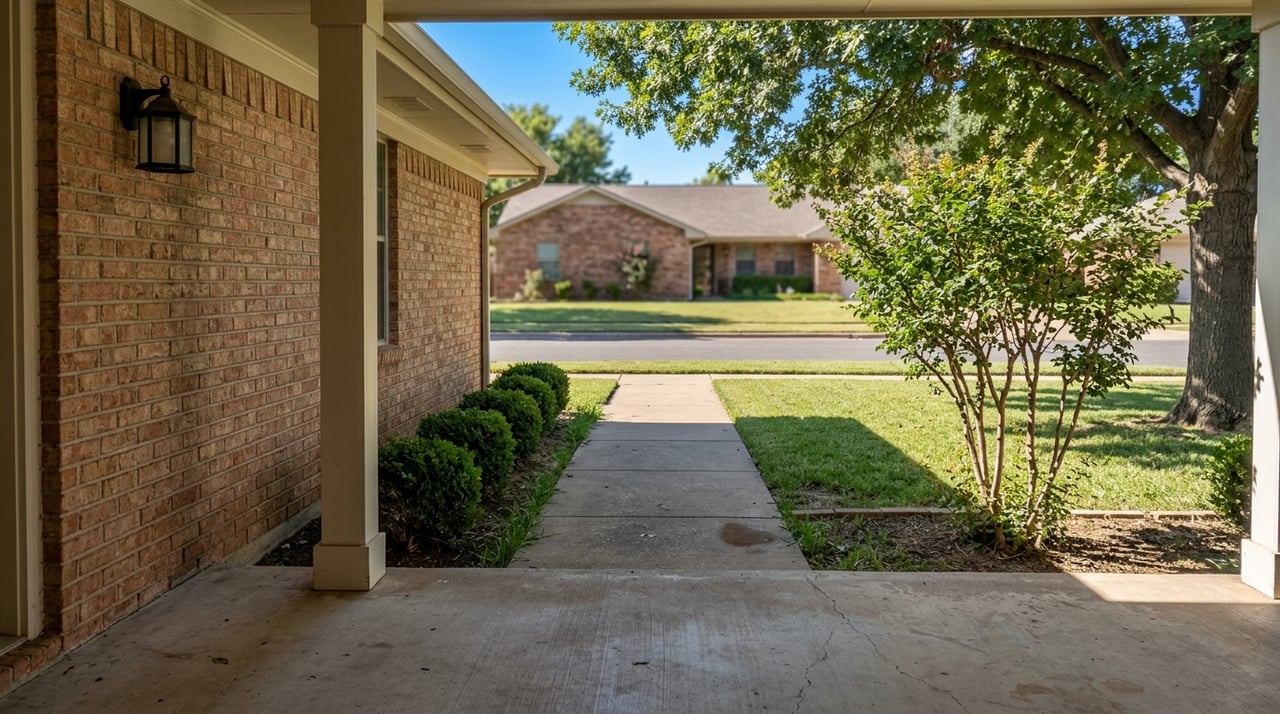
For you as a buyer, that often means fewer unknowns. If you like the idea of more centralized services and a property that fits into an established town system, in-town Lexington may feel more straightforward.
Utilities are usually simpler
One of the biggest perks of buying in town is utility clarity. City-managed electric, water, wastewater, and sanitation can make move-in and day-to-day planning easier than piecing together rural service details.
That does not mean every in-town property is identical, but it usually means you can expect a more predictable service setup. If your top goal is convenience, this is a strong point in favor of staying inside town.
Community amenities are close by
Lexington also has a visible community footprint. The city park system includes Charlie McCown’s Park, Veterans Park, and North Park, and the community center serves lunch during the week.
If you want a small-town rhythm with nearby public spaces and civic amenities, that can be a meaningful advantage. Some buyers value being closer to the daily activity and familiar routines that come with a compact town setting.
School residency may matter
Lexington Public Schools lists an elementary/intermediate campus, a middle school, and a high school in Lexington. The district also says non-resident students may not enroll without an approved transfer.
That makes residency an important part of your search if school enrollment is one of your decision factors. A home that feels “close enough” to Lexington may still have a different enrollment process if it is outside the district boundaries.
What nearby rural land changes
Buying rural land near Lexington often means more than getting extra space. It can also mean a different legal, utility, and maintenance picture than you would see on an in-town lot.
Cleveland County includes extensive rural, unincorporated areas, and the county assessor’s GIS information explains that Oklahoma land is described by written legal descriptions or recorded plats. The county’s plats information also notes that plats show lot dimensions, easements, and rights-of-way. In practical terms, rural property usually calls for a closer look at boundaries, access, and land records.
Water service needs verification
Once you move outside the town core, water service can change quickly. Cleveland County Rural Water District No. 1 is located east of Lexington, is required to supply water to existing customers along 35 miles of line, and the county says the City of Lexington is an existing wholesale customer.
That means rural does not always mean private well. It does mean you should verify exactly what serves the parcel before you buy, because one property may have rural water access while another may rely on a different setup.
Septic can be a major factor
Sewer service is one of the biggest dividing lines between in-town and rural property. According to the Oklahoma DEQ, homes and businesses use on-site sewage systems, commonly called septic systems, when needed.
DEQ says that before installing a new or modified system, the owner must obtain a Report for On-Site Sewage and an Authorization to Construct. DEQ also says the allowed system type depends on lot size, shape, soil profile, and percolation results. That makes septic review a key part of buying rural land.
Wells bring added responsibility
If a parcel uses a private well, DEQ says the owner is responsible for ensuring water quality and should test regularly. That is a very different ownership experience than paying for town water service.
For some buyers, that extra responsibility is worth it for the privacy and space. For others, it is one more moving part they would rather avoid.
Rural coverage is broader and more spread out
Rural areas near Lexington are still served by local infrastructure, but the coverage is more distributed. Lexington’s volunteer fire department has 18 members and covers the southeastern part of Cleveland County from State Highway 39 south to the South Canadian River. The city also says it is working with the Lexington Rural Fire Association on a second station to better serve rural areas.
That kind of detail matters when you are comparing town living with acreage. The services are there, but they may not look the same as what you would expect inside city limits.
How your lifestyle should guide the choice
A property can check every box on paper and still not fit your day-to-day life. That is why this decision is often easier when you start with your routine instead of just square footage or acreage.
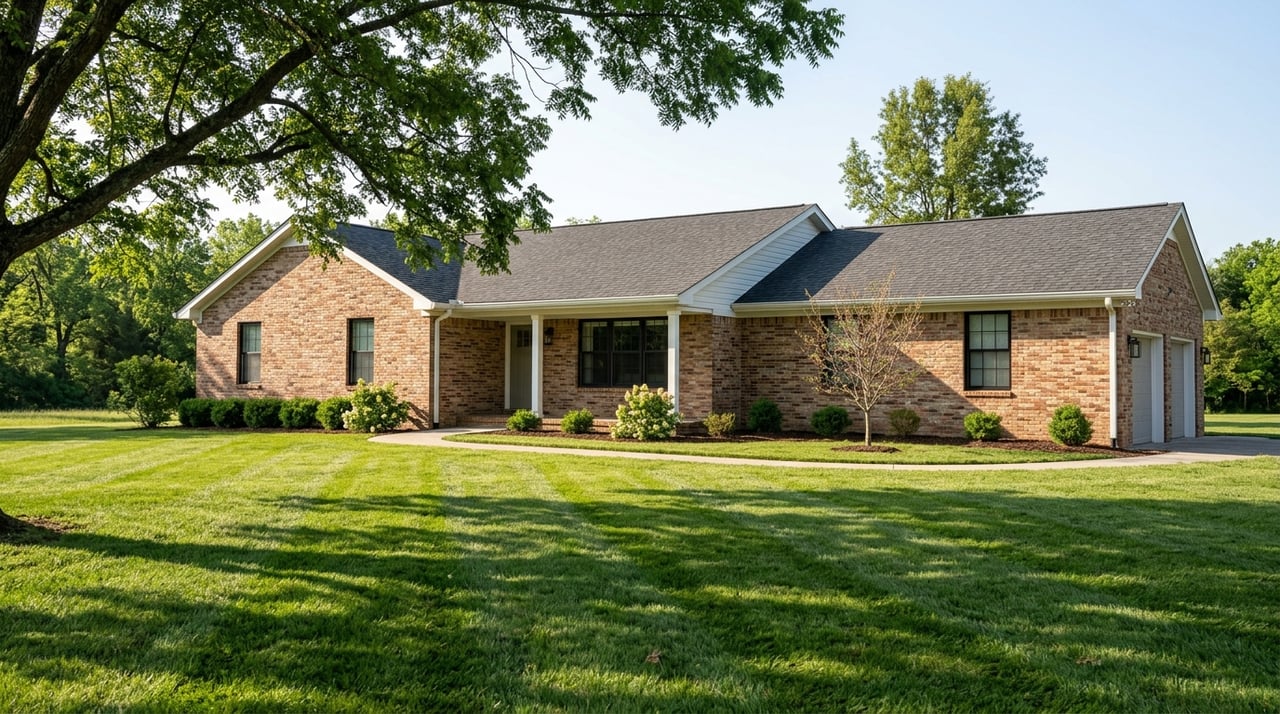
If you want a shorter list of service questions, easier utility planning, and a more centralized setup, in-town Lexington may be the better match. If you want privacy, room to spread out, or space for outbuildings or a shop, nearby rural land may be worth the extra due diligence.
In-town Lexington may fit you if you want:
- A more compact daily routine
- Easier utility hookups and service coordination
- Fewer questions about water and wastewater service
- Closer access to city parks and community amenities
- A simpler property setup overall
Nearby rural land may fit you if you want:
- More privacy
- A larger homesite
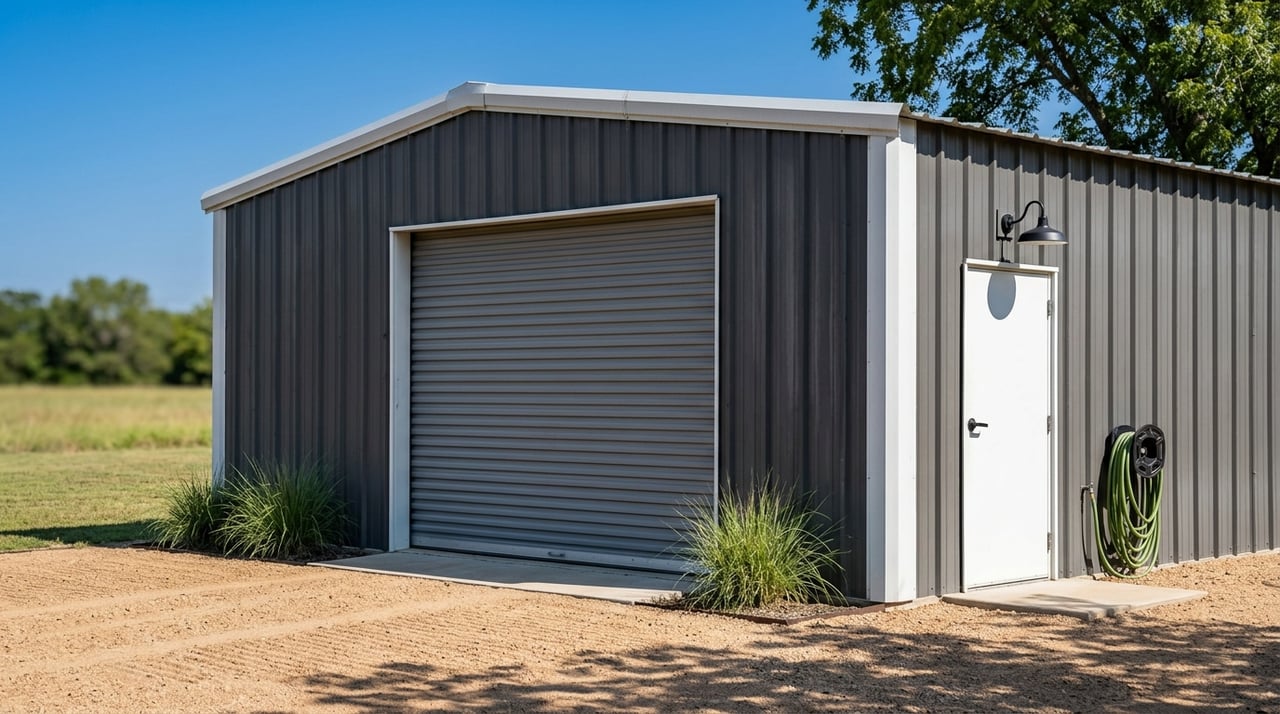
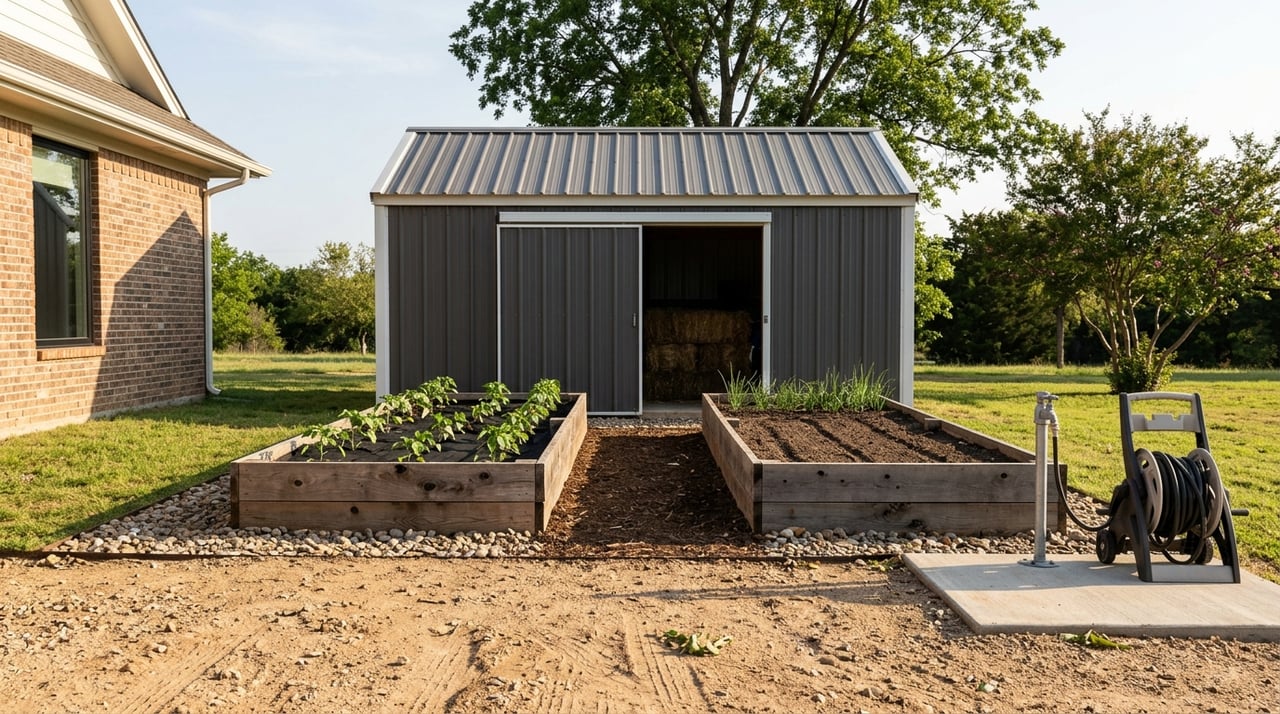
- Space for outbuildings, a shop, or other land uses
- A property outside the tighter town footprint
- Flexibility that can come with acreage
The tradeoff is simple. More land often means more verification, more documents, and more owner responsibility.
Do not overlook the blend option
Your choice may not be all-or-nothing. In the Lexington area, the transition from town to country can be gradual rather than absolute.
Because city services, rural water infrastructure, and rural fire coverage overlap in parts of the area, some properties offer a middle ground. You may find a home with a little more elbow room that still keeps you connected to town more easily than a fully remote tract would.
For many buyers, this edge-of-town option ends up being the sweet spot. It can provide some space without requiring every part of the rural ownership learning curve.
Questions to ask before you buy
Whether you are touring a home in town or land outside Lexington, asking the right questions early can save time and stress later. These are some of the most important ones to cover.
Property setup questions
- Is the property inside Lexington city limits or in Cleveland County’s unincorporated area?
- What serves the property now: city water and sewer, rural water, or a private well and septic system?
- If septic is involved, is there a current DEQ Report for On-Site Sewage and Authorization to Construct when required?
- Is there a recorded plat or survey showing lot dimensions, easements, and rights-of-way?
- What road, driveway, drainage, or utility access maintenance is the owner responsible for?
School boundary question
- Which school district serves the property, and would a non-resident student need an approved transfer?
That last question matters more than many buyers expect. A home’s mailing address or proximity to Lexington does not automatically answer school enrollment questions.
Final thoughts on choosing town or land
For Lexington specifically, in-town living usually makes the most sense if you want a simpler service setup, more centralized amenities, and a tighter day-to-day routine. Nearby rural land often makes more sense if you want space and privacy and are ready to verify surveys, access, water, and sewage details before you move forward.
Neither option is better across the board. The right choice is the one that fits how you want to live, what kind of property responsibilities you want to manage, and how much flexibility you want in your setting.
If you want help weighing a home in Lexington against nearby acreage, local guidance can make that decision much easier. Reach out to Than Maynard for practical insight on town properties, rural land, and what to look for before you buy.
FAQs
What is the biggest difference between in-town Lexington and nearby rural land?
- In-town Lexington usually offers more centralized municipal services, while rural land often requires more due diligence on water, septic, access, surveys, and easements.
What utilities should you verify on rural property near Lexington?
- You should confirm whether the parcel uses city water and sewer, rural water, or a private well and septic system, because service setups can change quickly outside town.
What should you check about septic systems on rural land in Cleveland County?
- You should ask whether the property has the required DEQ sewage documentation when needed, since system approval depends on factors like lot size, shape, soil profile, and percolation results.
Why do surveys and plats matter for rural property near Lexington?
- Cleveland County says plats can show lot dimensions, easements, and rights-of-way, which makes them important for understanding boundaries and legal access on rural land.
How do school boundaries affect a home search around Lexington?
- Lexington Public Schools says non-resident students may not enroll without an approved transfer, so you should verify district service and residency requirements for any property you consider.
Is there a middle-ground option between town living and full rural acreage near Lexington?
- Yes. Some edge-of-town properties can offer more room while still keeping you closer to town services, since the transition from city to country in this area is often gradual.